
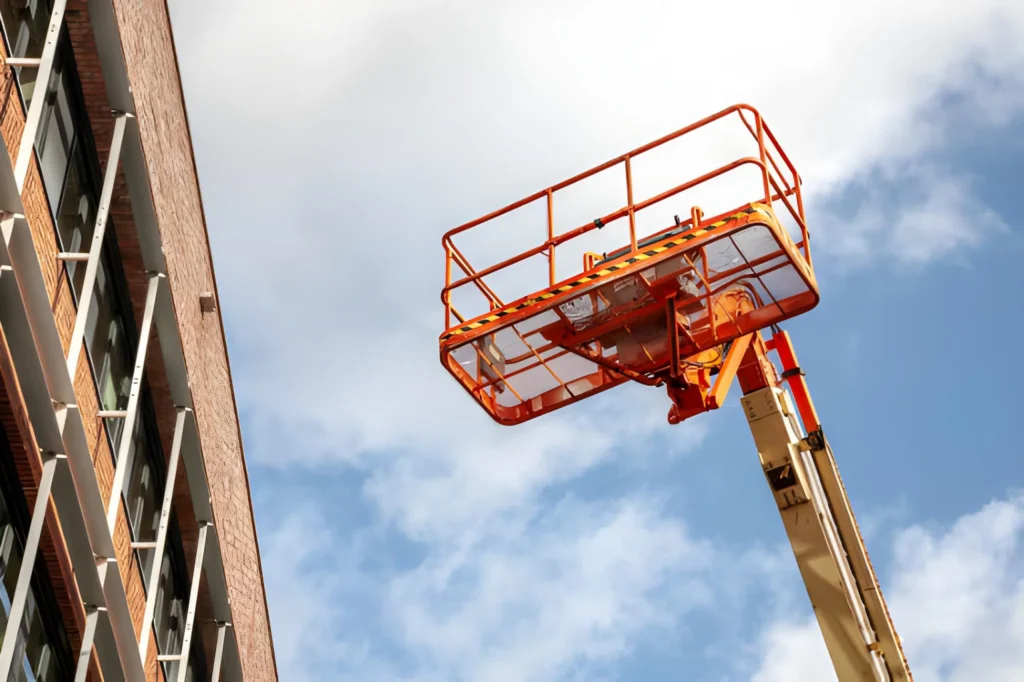
Picture this, John, a retired schoolteacher from Phoenix who loves his two-story home, suddenly finds the staircase a daunting hedge after knee surgery. Transform Access with a Vertical Platform Lift – 8 Levels, his grandkids’ apartments are upstairs, his favorite reading niche is on the sun deck, and simply coming home from the garage feels like a mountain rise. For millions of Americans like John, architectural features we take for granted pose significant obstacles. The result, decreasingly, isn’t to move but to modify. Enter the perpendicular platform lift( VPL), a realistic, important tool that’s transubstantiating homes and restoring independence one position at a time.
A perpendicular platform lift is more than just a piece of equipment; it’s a gateway. It’s an availability device designed to transport individuals and their mobility aids, like wheelchairs, scooters, or trampers, straight over and down over short perpendicular distances. Unlike a stairlift that travels along a rail, a perpendicular platform lift operates like a compact, out-of-door -ready elevator, moving a platform vertically between levels. For navigating raised entries, split-position bottoms, sundeck way, or garage transitions, a perpendicular platform lift offers a safe, dependable, and frequently more affordable solution to a major addition or the installation of a full domestic elevator.
This companion will walk you through everything you need to know about perpendicular platform lifts, from their core mechanics and benefits to costs, compliance, and how to choose the perfect bone for your home and life.
What is a Vertical Platform Lift?
At its heart, a vertical platform lift is an elegantly simple solution to a vertical challenge. It consists of a sturdy platform that moves along a vertical mast or tower. The user rolls or walks onto the platform, secures the safety gate, and uses simple constant-pressure buttons to ascend or descend to the desired level.
Key Components:
- The Platform: Anon-slip face, generally at least 36″ x 48″, is designed to securely hold a mobility aid and rider.
- The palace/ Mast: The perpendicular structure that houses the drive system, either a dependable hydraulic medium or an effective screw- drive( leadscrew) system.
- Safety Gates: are needed at both the platform and levees to help operation unless securely closed.
- Controls: stoner-friendly buttons, frequently duplicated on the platform and at each wharf for convenience.
Their design is inherently space-efficient, requiring a much smaller footprint than a sprawling ramp (which needs 12 feet of length for every foot of rise) or the shaft of a traditional elevator.
Vertical Platform Lift vs. Other Mobility Solutions
It’s easy to confuse accessibility options. Here’s how a VPL stacks up against common alternatives:
Feature | Vertical Platform Lift (VPL) | Stairlift | Residential Elevator | Wheelchair Ramp |
Primary Use | Overcoming short vertical changes (2-14 ft) like steps, porches, and sunken rooms. | Traveling along the incline of an existing staircase. | Multi-floor, full-home access between two or more standard floors. | Traversing a gentle slope over a longer distance. |
User | Ideal for wheelchair/scooter users or those who cannot navigate stairs but can stand/transfer. | Best for individuals who can transfer to a seat and do not need to remain in a mobility aid. | Suitable for anyone, with a full cabin enclosure for wheelchair users. | Designed for wheelchair or scooter users. |
Space Impact | Compact vertical footprint. | Installs on the staircase itself. | Requires a dedicated shaft or hoistway; larger footprint. | Requires significant linear space (1:12 slope). |
Typical Cost | $5,000 – $25,000. | Often around half the cost of a basic VPL. | Usually $20,000+. | $1,000 – $3,000+ for permanent builds. |
As the table shows, a vertical platform lift uniquely fills the niche for substantial vertical obstacles where a ramp is impractical and a full elevator is overkill.
The Tangible Benefits of Installing a Vertical Platform Lift
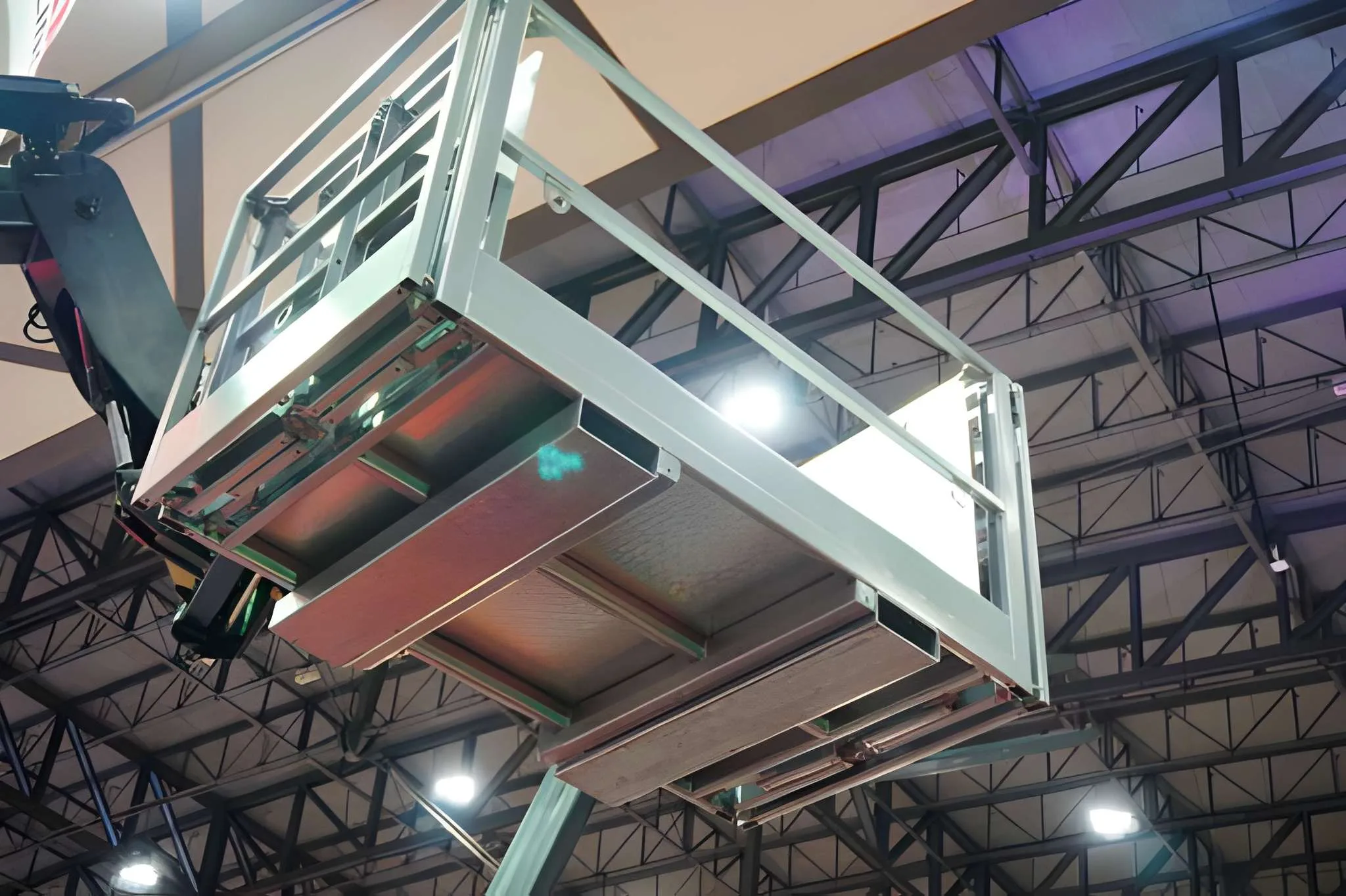
The decision to install a vertical platform lift is driven by profound, life-changing benefits that extend far beyond simple convenience.
- Reclaimed Independence and Safety: This is the foremost benefit. A VPL eliminates the dangerous threat of a cascade on stairs and the exhausting strain of navigating them. It allows individuals to move freely between situations in their home without staying for backing, restoring quality and tone-reliance.
- A Smart Financial Investment: While a significant purchase, a VPL is especially more affordable than a domestic elevator. Likewise, by enhancing availability, it laboriously increases your property’s marketability and resale value, appealing to growing homeowners and those seeking accessible features.
- Versatility and Customization: Whether you need to pierce a sunken living room, a raised veranda in stormy Seattle, or a garage entry in snowy Chicago, there’s a VPL designed for it. They come in indoor and outdoor models, with the ultimate erected to repel the rudiments with waterproof accoutrements and tents. You can customize platform size, gate styles, colors, and finishes to blend with your home’s aesthetics.
- Compliance and Peace of Mind: For marketable operations or multi-family residences, VPLs can be configured to meet the Americans with Disabilities Act( ADA) norms and the rigorous ASME A 18.1 safety standard, covering everything from platform confines to door timing. This compliance ensures safety and broad usability.
Understanding the Costs: A Breakdown of VPL Pricing
“How much will a vertical platform lift cost?” is the most common question. The industry average is broad, ranging from $5,000 to $25,000, with a basic residential model often landing around $15,000. This wide range exists because the final price is a sum of several factors:
- Lift Configuration & Type: An introductory, unenclosed model for a straight 4- bottom rise is the entry point. Enclosed models, shaftway installations, or cold-blooded lifts that look more like elevators will bring further. The needed perpendicular trip distance is a major cost for motorists; a lift for a 14- bottom sundeck will be further than one for a 3- bottom veranda step.
- Customization and Features: Standard platforms generally handle 750- 800 lbs. Larger platforms or advanced weight capacities add cost. So do decoration features like automatic doors, remote controls, or upgraded homestretches.
- Installation Complexity: Professional installation is obligatory for safety and bonding purposes. The price can be affected by your position( e.g., pastoral vs. civic), whether a concrete pad or new electrical wiring is demanded, and the complexity of integrating with your home’s structure.
- Inner vs. Outdoor: Outdoor lifts generally bring further due to weatherproofing conditions and durable, erosion-resistant accoutrements.
Important Tip: Always get a detailed, in-home consultation and quote. A reputable dealer will assess your specific site and needs, providing a price that includes both the equipment and professional installation.
Key Considerations Before You Buy
Choosing the right vertical platform lift requires thoughtful assessment. Here are the critical questions to answer:
- Assess Your requirements: What’s the exact perpendicular distance( rise) you need to overcome? Will the lift be used indoors or outside? What’s the concerted weight of the stoner and their mobility device? How important is the available space for the lift’s footprint?
- Prioritize Safety and Compliance: Look for lifts that misbehave with the ASME A 18.1 safety standard. Essential safety features include under-platform inhibition detectors, non-slip platform shells, exigency stop buttons, and automatic retardation systems.
- Plan for the Long Term: Consider not just the moment’s requirements, but the hereafter’s. Is the stoner’s mobility likely to change? How will the lift be maintained? Estimable manufacturers like Bruno, for illustration, offer dependable products with guarantees, some boasting a 2- time limited bond on their U.S.-made lifts. Factor in the need for periodic professional conservation to ensure safe, smooth operation for times to come.
The Professional Installation Process
Installing a vertical platform lift is not a DIY project. It’s a professional process that ensures safety, reliability, and compliance with local building codes.
- Consultation and Assessment: A pukka mobility adviser visits your home to measure the point, bandy requirements, and recommend the stylish model and configuration.
- Site Preparation: This may involve pouring a position concrete pad for the lift to stand on, installing proper electrical force( 110V or 220V), and potentially framing for landing gates. Your dealer will guide you on what’s demanded.
- Installation Day: A trained technician platoon will assemble the mast, install the platform and gates, line the controls, and perform rigorous safety checks. Installation can frequently be completed in 1 to 3 days, depending on complexity.
Training and Walkthrough: The installer will completely train you and your family on how to operate the lift safely, explain all its features, and review introductory troubleshooting.
FAQs: Your Quick Questions Answered
How much space do I need for a perpendicular platform lift?
Theyre space-effective, but you need room for the platform and clearance for doors to open. A professional dimension is essential.
Will it work in a power outage?
Most standard AC-powered models will not. Still, many can be equipped with a battery backup option that provides several passages, a critical point for safety and trustworthiness.
Are permits needed for installation?
Frequently, yes. Permit conditions vary by megacity and county. Your mobility provider should help you navigate the original structure law and permit process.
What the difference between a hydraulic and screw- drive lift?
Hydraulic drives use fluid power and are known for smooth operation over medium heights. Screw- drives use an electric motor to turn a threaded shaft and are frequently veritably effective for shorter peregrination.
Can I install a VPL myself to save plutocrat?
No. Professional installation is needed for safety, bond confirmation, and compliance with codes. Indecorous installation is a serious hazard.
Conclusion: Elevating Your Home and Your Life
Investing in a perpendicular platform lift is an investment in freedom, safety, and the enduring enjoyment of your home. It’s a practical result that bridges the gap between inapproachable spaces and full, independent living. By precisely considering your requirements, understanding the costs, and partnering with an estimable, educated provider, you can confidently choose a perpendicular platform lift that will serve as a dependable and liberating part of your daily life for times to come.
Ready to explore your options? The stylish coming step is to communicate an original, pukka mobility results provider for a no- no-obligation, in-home assessment. They can turn the perceptivity from this companion into a real-world plan to make your home accessible for everyone.