
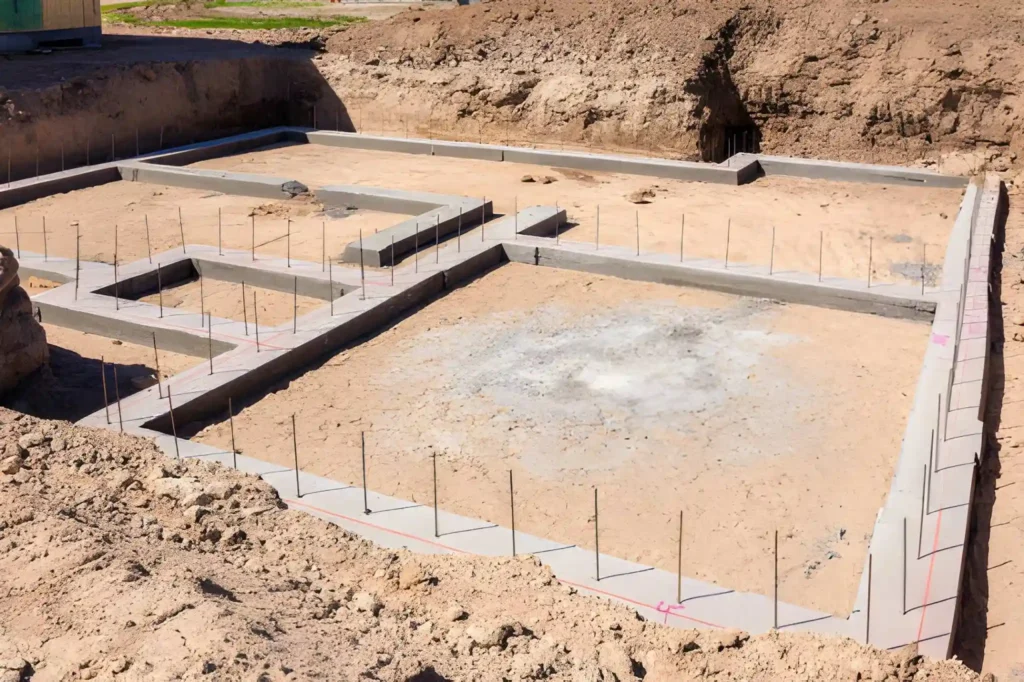
The creak of a door that will not latch. A hairline crack in a basement wall that seems a little longer than it was last season. A faint, musty smell in a downward closet. These subtle hints can shoot a ripple of anxiety through any homeowner.
Is it just your house” settling,” or is it a sign of something more serious? Your home’s foundation is its nonfictional and tropological bedrock, and problems with it can feel inviting. Still, fortified with the right knowledge about structure and analysis, you can move from solicitude to understanding and action.
This companion will walk you through the entire process from spotting the early warning signs to understanding the form results. A proper structure and analysis approach is not about converting fear; it’s about empowering you with the clarity to cover your largest investment.
Recognizing the Warning Signs: Your Home Is Talking
Foundation issues rarely announce themselves with a dramatic crash. Instead, they send a series of quieter, persistent signals. Learning this language is the first critical step in your structure and analysis process.
- The Tell- Tale Cracks: Not all cracks are created equal. Vertical hairline cracks in mortar or drywall can be normal. You should take note of vertical cracks, stairstep cracks in brickwork, or cracks wider than 1/4 of an inch, especially if they’re growing. Outside, pay attention to slant cracks shooting out from the corners of doors and windows.
- Doors, Windows, and bottoms out of Alignment: When the foundation shifts, the house frame warps. This leads to doors and windows that stick or will not close fully. You might also notice uneven bottoms, a ball might roll steadily to one side of the room, or you may feel like you are walking on a slight pitch.
- Humidity Where It Should Not Be: Water is a foundation’s nemesis. patient moistness in the basement, a musty odor, or factual pooling water are major red flags. Externally, look for soil pulling down from the foundation wall or gutters that leave water directly coming to the house.
- Other Interior Clues: Look for gaps forming between your wall and ceiling or between baseboards and the bottom. closets or countertops separating from the wall and drywall nails that feel to be” popping” out are also signs of shifting framing.
A single symptom might not be a crisis, but a combination of several is a clear call for a professional structure and analysis.
What Your House Is Standing On: Soil and Water
The utmost foundation problems appear not with the concrete itself, but with the soil underneath and the water around it. extensive complexion soils, common in numerous corridor of the U.S., swell when wet and shrink when dry, creating a constant drive- and- pull on your foundation. Poor drainage exacerbates this, allowing water to pool and oversaturate the soil. Other lawbreakers include large tree roots, stinking humidity from the soil, or invasive plumbing leaks.

The Critical Step: Professional Inspection vs. DIY Danger
Once you suspect a problem, the next step is a professional evaluation. This is where a true structure and analysis separates from guesswork. Numerous homeowners make the mistake of allowing a general home examination is sufficient. Still, a foundation specialist or structural mastermind brings targeted moxie and tools to assess the inflexibility and root cause.
A professional examination generally involves measuring bottom situations, establishing crack patterns, and assessing drainage. In complex cases, a structural mastermind may be demanded to give a detailed report and form design, which is pivotal for major work. The cost of this technical examination($ 250 and over) is minor compared to the fiscal protection it offers against repairs that can bring$ 5,100 on average and soar into the thousands.
The High Cost of DIY “Fixes”
The urge to handle it yourself to save money is understandable, but often disastrous. Common DIY mistakes seen by pros include:
- Cosmetic Cover- ups: Doctoring drywall cracks or filling foundation cracks with sealant without addressing the underpinning movement. The cracks will simply reappear.
- Improper Water Management: Excavating and applying dampproofing navigator to surface walls. However, a new fleece will too, and indecorous digging can destabilize the soil further if the original hedge failed.
- Dangerous Supports: Using temporary jacks or rustic shafts to support sagging bottoms or walls in a bottleneck space. These aren’t endless results and can fail catastrophically.
These attempts frequently worsen the problem, void implicit guarantees, and eventually lead to advanced form bills. Foundation form requires technical knowledge, outfit, and an understanding of the original soil conditions for an accurate structure and analysis.
Understanding Repair Solutions: A Menu of Options
Still, an estimable contractor will recommend a result based on the specific problem linked during their examination and analysis, if repairs are demanded. Then are the most common professional form styles:
Repair Method | Best For | How It Works | Key Consideration |
Steel Piers (Push/Helical) | Stabilizing sinking foundations. | Steel posts are driven or screwed deep into stable soil or bedrock. The foundation is then hydraulically lifted and secured to the piers. | Considered a permanent, long-term solution for significant settlement. |
Slabjacking (Mudjacking) | Lifting sunken concrete slabs (driveways, sidewalks, and basement floors). | A grout mixture is pumped under the slab to fill voids and raise it back to level. | A cost-effective solution for slab issues, but may not address underlying soil instability. |
Carbon Fiber Straps/Wall Anchors | Stabilizing bowing or leaning basement walls. | High-strength carbon fiber strips are bonded to the wall, or anchors are installed in the soil outside to pull the wall back into place. | Less invasive than excavation for bowing walls. Anchors are for more severe movement. |
Waterproofing & Drainage | Managing chronic water intrusion. | Involves interior drain tiles, sump pumps, exterior membranes, and regrading to direct water away from the foundation. | Often, a critical companion to structural repairs, as water is a primary cause of failure. |
The right solution depends entirely on the diagnosis from a thorough structural and analysis of your home’s unique conditions.
The Financial Realities: Cost, Value, and Peace of Mind
Let’s address the big question: cost. Foundation repair is a significant investment, but it’s an investment in your home’s safety, stability, and value.
- Cost Ranges: According to 2025 data, the public average cost for a foundation form is about $5,100, though systems generally range from $2,200 to $8,100. Severe problems taking numerous piers or full lifting can bring$ 20,000 to$ 100,000.
- What Drives the Price? Major factors include the size of your home, the form system( piers are more expensive than crack sealing), availability, and your original soil conditions.
The Cost of Doing Nothing: Ignoring foundation problems is far more costly. Issues with emulsion, leading to broken plumbing, severe structural damage, earth, and a drastic reduction in your home’s resale value by 10- 15 or further. The minor cost of an examination is your stylish defense against these five- figure surprises.
Proactive Protection: How to Be a Foundation Guardian
The best repair is the one you never need. Integrate these habits into your home maintenance routine:
- Manage Water: Strictly ensure gutters are clean and downspouts extend at least 6 feet down from your foundation. Grade your yard so it slopes down from the house.
- Maintain harmonious Soil humidity: In dry climates or seasons, use a souse sock around your foundation’s border to help reduce soil loss( especially important with clay soils).
- Mind Your Trees: Plant large trees and shrubs a safe distance from your home. Their roots can draw humidity from the soil and physically disrupt the foundation.
- Conduct Seasonal: Walk- arounds doubly a time, walk the border and innards of your basement/ bottleneck space. Look for new cracks, signs of humidity, or changes in alignment. Beforehand discovery is everything.
A proactive mindset, centered on regular observation and maintenance, is the ultimate form of preventative structure and analysis for your home.

Frequently Asked Questions
How critical is a foundation crack?
Vertical or widening cracks over 1/4 inch need prompt professional evaluation to help prevent structural damage.
Can I vend a house with repaired foundation issues?
Yes, professionally repaired foundations with transferable guarantees frequently restore value and make a home salable.
Will the foundation form fix my sticking doors?
Yes, duly lifting and stabilizing the foundation should allow frames to realign, resolving sticking doors and windows.
How long do foundation repairs last?
Professional repairs using styles like sword piers frequently come with continuance guarantees, designed to be long-lasting results
Does homeowners' insurance cover foundation form?
generally not, unless the damage is caused by a specific covered pitfall like a plumbing burst; gradational agreement is generally barred.
Conclusion: From Anxiety to Assurance
Foundation enterprises can shake your sense of security at home. Still, you can transfigure that anxiety into confident action by understanding the signs, esteeming the complexity, and trusting in professional structure and analysis. Your home is worth guarding. Start with a simple walk- around examination, and do not hesitate to call in a professional for peace of mind hereafter. The stability of your home and your mind depends on it.