

It was a scorching Wednesday in July. The type of day when it feels as if you’re sitting on a damp blanket. Sarah was a proud newlywed in Atlanta, hosted her first large backyard barbecue. hvac maintenance mistakes.
The sounds of laughter and the aroma of grilling burgers filled the air until a loud bang out of down in the basement, followed by a menacing and devastating silence. The air conditioner had stopped. The next HVAC repair call revealed a dire diagnosis that the compressor was seized. Repair costs were shocking, with a total of $4,000. The technician’s words struck the most: “This could have been easily prevented with basic maintenance.”
Sarah’s story isn’t the only one. All across the nation, from the dry, hot summers in Arizona to the hot summers of Florida, homeowners are making well-meaning, but expensive, HVAC maintenance errors. These mistakes don’t only result in sudden breakdowns; they’re a steady drain on your bank account and can result in higher energy costs and reduce the life of a system, which is an investment in your home that is significant.
This guide isn’t a ploy to scare you, but rather about empowering. By knowing and avoiding these ten most common HVAC maintenance errors and pitfalls, you can ensure that your HVAC system operates effectively, safely, and for many years to come.
1. The “Set It and Forget It” Thermostat Fallacy
We typically think of our thermostats as kitchen appliances and use them only for when we want for a specific outcome. But the thermostat is the primary element that regulates this HVAC device; therefore, incorrect programming is a typical energy-intensive HVAC maintenance error.
- The mistake is turning the thermostat up to 65 degrees during a scorching summer day and thinking it will allow you to cool your home faster. Also, ensure that the temperature stays at a steady level, even if no one is home.
- The reality is that air conditioners run in a specific way that is cool. Setting the temperature to a low level does not make it cooler, but it does make it work longer than is necessary, leading to huge wear and tear. An unchanging temperature, however, will force your system to battle the outdoor heat all day.
- The Solution: Purchase an adjustable thermostat or smart thermostat. Set it to a higher temperature in the event that your house is empty, then reduce the temperature just before returning. A temperature difference between 7 and 10 degrees for 8 hours per day could reduce your energy consumption by 10% per year on cooling and heating. This is a simple fix and the solution to many of the frequently made HVAC maintenance errors.
2. Neglecting the Humble Air Filter
If you can take one thing away from this piece, it’s this: replace your filter with an air filter. It’s the simplest, least expensive, and most effective maintenance task, but neglect is a common HVAC maintenance blunder.
- The error: forgetting to replace the filter after 6 months or a year,r or longer (we’ve witnessed the issue).
- The consequences of a clogged filter are similar to making your body breathe in a wool scarf. It blocks airflow, which causes the motor of the blower to run at a higher speed. The result is a huge increase in your energy bill and strains the system in general, and can cause premature failure and significantly decrease the quality of your indoor air through the recirculation of dust, pollen, and allergens.
- The Solution: Examine your filter each month. Replace 1-inch filters every 1-3 months. High-quality 4-inch filters last between 6 and 12 months.
It’s a good idea to tie it to a monthly bill or create a reminder on your calendar. Beware of this HVAC maintenance error is the first step to protect yourself.
3. Believing “No News is Good News” (Skipping Professional Tune-Ups)
Your HVAC system may be operating; however, is it functioning smoothly? Many components wear down slowly, and a lack of serious failure is not an indication of good health. Avoiding regular maintenance is penny-wise and pound-foolish, an HVAC maintenance error.
- The mistake is thinking that simply because frigid air has blown, there’s no need to purchase an annual subscription.
- The reality: A skilled technician goes beyond examining the temperature. Clean condenser coils and examine refrigerant levels, check electrical connections, lubricate moving components, and ensure that the system is running efficiently. According to industry experts, these small issues, when left untreated, could cause major problems.
- The solution: Schedule bi-annual professional maintenance.
Once for your air conditioner in spring and then for your furnace in the autumn. This proactive method can increase efficiency by 15% and spot minor issues before they escalate to an expensive compressor replacement.
4. The DIY Refrigerant Recharge: A Catastrophic Choice
If your AC isn’t cooling, the first thought is an indication that your AC is “low on Freon.” Although this could be the case, it’s often a sign of a bigger issue, a leak.
- The mistake: buying the diy refrigerant recharge kit at the local hardware shop.
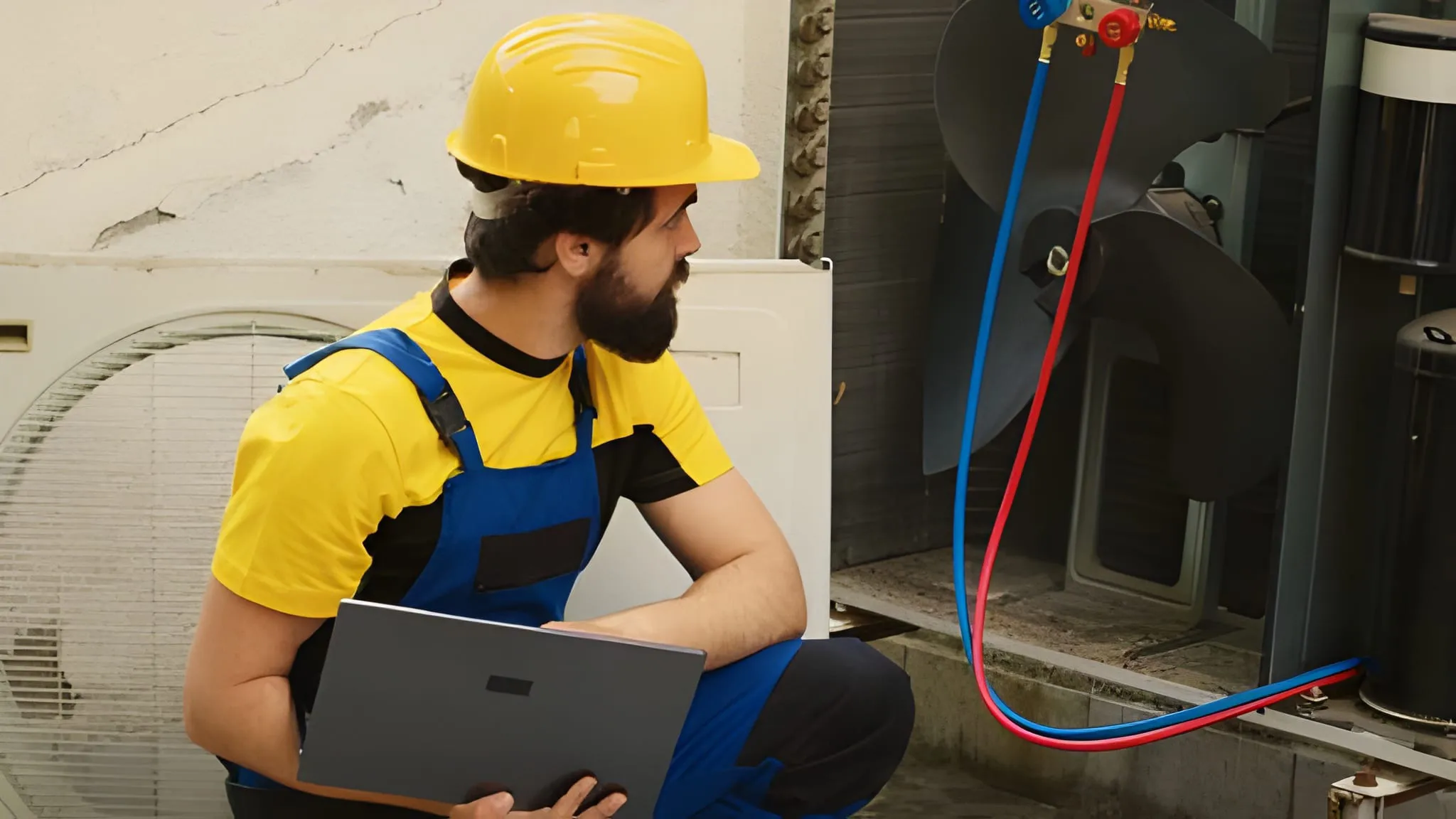
- It’s a Catastrophe: Modern refrigerants are precisely measured. A wrong amount or type could cause serious damage to your compressor, the central component of your AC unit, resulting in a complete replacement of your system. Additionally, refrigerant is an extremely hazardous substance that needs a permit to use properly. This could be the most dangerous among all DIY HVAC maintenance errors.
- The solution:n The F.x: If you suspect that there is an issue with refrigerant, the only phone step you can take is to talk to a certified, EPA-licensed HVAC expert. They’ll find the leak, fix it, and bill the system according to the specifications of the manufacturer.
5. Treating Vents Like Decorations
A lot of homeowners don’t give a second consideration to the vents or registers; however, the way you manage them directly affects your system’s performance.
- The Sin is closing vents in unoccupied areas in order to “save money” or using furniture and rugs to stop airflow.
- The backfire: Your HVAC unit is built to regulate the airflow in your entire house. Vents that are closed increase the pressure inside the ductwork, making the blower motor perform harder. This could lead to leaks in the duct as well as frozen evaporator coils and lower efficiency–which is exactly the opposite of what you’re trying to achieve.
- The Solution: Check that all vents are clear without obstructions. It is recommended that there be a minimum of two feet of area between the vents that are used to supply and return. If your rooms exhibit an inclination to be too hot or cold or hot, consult an expert to provide advice on the best method to ensure that your ducts are balanced.
6. Ignoring the Great Outdoors (The Condenser Unit)
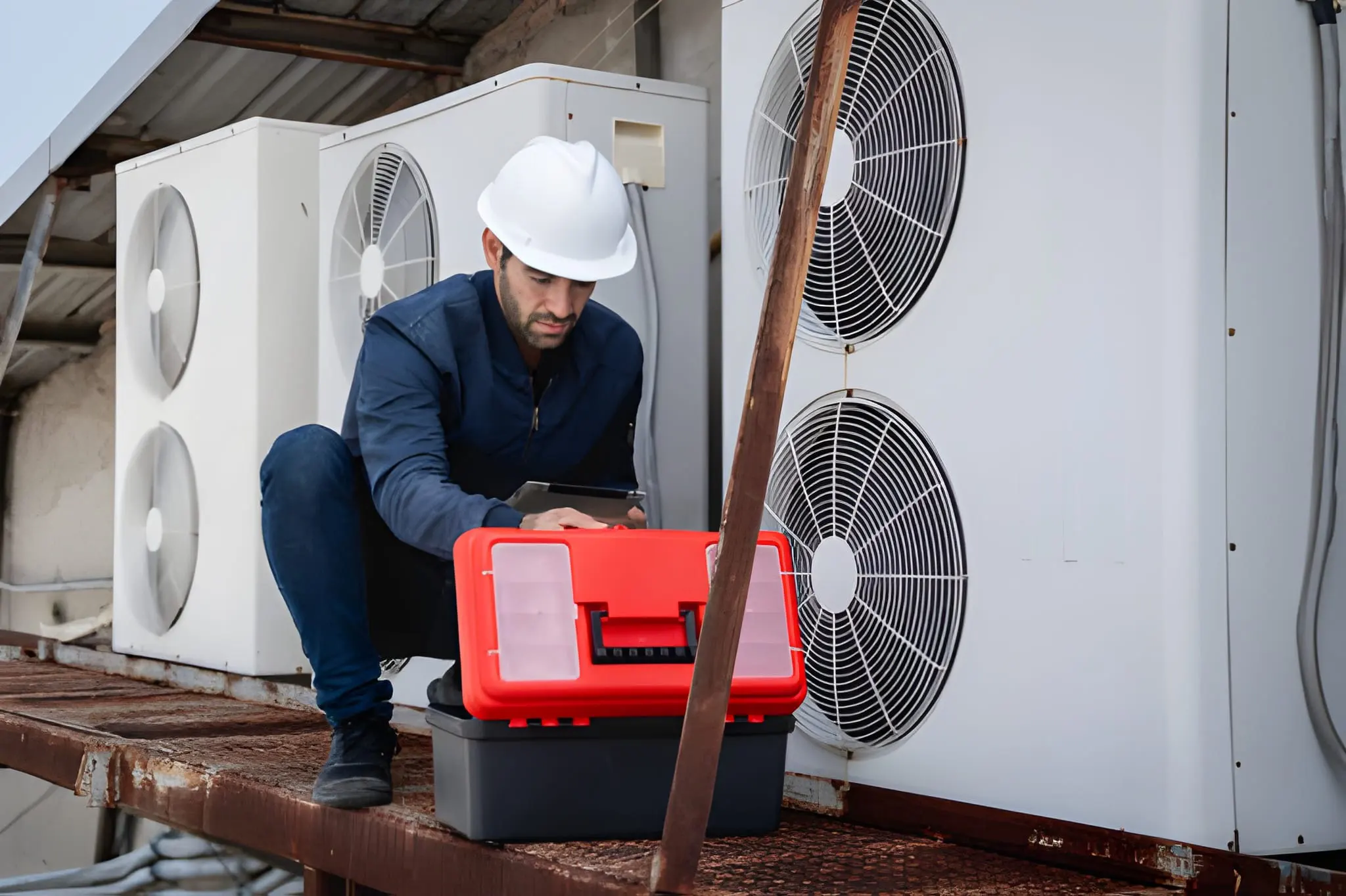
The outside AC condenser unit was designed to endure the elements, but it’s not impervious to them. The omission of it is an all-too-common outdoor HVAC maintenance error.
- The Fault: Letting leaf clippings of grass and other shrubs grow up over the structure.
- The issue the Condenser has to “breathe” by dissipating heat. If it’s blocked by debris, it’s unable to remove heat efficiently. This makes the system run longer and at higher pressure, using up energy and straining the components.
- The Solution: Maintain at least a 2-foot clearance from both parts of the device. Make sure to regularly clean it and then gently rinse off the fins in order to eliminate dirt and debris.
Before doing any work in the yard, think about covering the unit with a wooden board to stop debris and grass from blowing directly into the.
7. The Thermostat Location Blunder
The temperature of your thermostat is more crucial than what you consider. It’s your brain that makes decisions based on the immediate surroundings.
- The mistake: putting the thermostat on an outside wall or in direct sunlight or next to a source of heat, such as a television or lamp.
- The Problem: If the thermostat is always in a hot location, it’ll assume that the entire home is hot and will run the AC all the time and cool everything else in the house to a level that is uncomfortable. This is a devious HVAC maintenance error that leads to a huge waste of energy.
- The answer is to ensure the thermostat is placed on an indoor wall free of direct light drafts, doors, as well as appliances. If relocating is not possible and you’re not able to relocate it, a thermostat that includes remote sensors could be put in the most frequented zones to obtain the most precise reading.
8. Forgetting the Internal Components (Drain Line & Coils)
Invisible. Out of sight, out of mind. Your internal parts of the AC, as well as the furnace, can be simple to overlook, but they require attention.
- A Drain Line: A clogged condensate drain line may result in a massive water leak that can damage the ceiling, floors, and cause a mold issue.
- The Solution: Once a year, you can pour a cup of distilled vinegar through the drain line to the condensate point to eliminate the algae and sludge.
- The Evaporator Coils: As time passes, the A-coil inside your home unit accumulates dust that acts as insulation. This causes it to be more difficult for the coil to take in heat, reducing the efficiency of your system.
- The Solution The Solution: While a thorough cleaning is an essential task for an expert, however, you can check the coil at the time of your routine maintenance, and make sure that your air filter is performing its job.
9. Shocking the System with Strange Sounds
Your HVAC system must listen to, but not to. A soft sound is normal, but bangs and screeches are not. And grinding isn’t.
- The Fault: Having something odd, then thinking, “I’ll just turn up the TV until it goes away.”
- The reality: Unusual noises are your system’s call for assistance. A worn belt, a broken motor bearing, or even a piece of dust inside the blower could start as a small sound, but soon escalate into an expensive, major repair.
- The Solution: If you can identify the first indication of a weird or unusual sound, switch the system off, and then contact an expert. The ability to spot the issue before it develops into an issue of major issue to save money on repairs and prevent a complete failure.
10. Choosing the Cheapest Repair, Not the Best Value
If you are faced with a repair bill, the temptation to choose the lowest bidder is powerful. However, in the field of HVAC, it is common to pay for what you get.
- The Sin: Hiring unlicensed handymen or the cheapest contractor you could locate to save a couple of hundred dollars.
- The risk: Repairs that are not done correctly could void the warranty of your manufacturer or create unsafe situations (like flame or gas leaks) dangers) and cause greater frequency of breakdowns. Poor installation can decrease the efficiency of your system by 30 percent immediately after installation.
- The Solution: Always employ an insured, licensed, and reputable HVAC contractor. Review online reviews, request references, and make sure they give detailed written estimates. Affording quality work is the last and most important action to avoid costly HVAC-related maintenance errors.
FAQ For hvac maintenance mistakes
Do you know of a common HVAC maintenance mistake?
The most frequently made error is not replacing your air filters. This causes airflow issues and stress to the whole system
What is the suggested frequency for scheduling the HVAC System maintenance?
It is suggested to schedule maintenance with an expert for your AC in spring and your furnace in autumn, at least twice per year, to ensure the best performance.
Do I have the capacity to wash my AC coils for condenser cleaning by myself?
It is possible to clean the fins on the outside; however, the thorough cleaning inside should be done by a trained technician to ensure that you don’t damage these delicate wires.
Do vents that are closed in unoccupied rooms help to save energy?
Vents that are closed increase the pressure in the ductwork. This can cause the system to work more efficiently and could cause damage.
What can a programmable thermostat help me with?
A thermostat that can be programmed can save you up to 10% a year on heating and cooling costs by automatically adjusting the temperature during the night or while you’re away.
What's the cause of my HVAC system making a loud noise?
Squeaks are typically a sign of a malfunctioning assembly or screw, or another part that makes up the blower. It should be checked by a certified professional.
How long do you think the HVAC unit will last?
If you keep it maintained properly and avoid frequent HVAC maintenance errors, an HVAC system should last for around 15 years or more in the case of furnaces.
Conclusion: From Costly Mistakes to Lasting Comfort
Avoiding these 10 HVAC maintenance errors isn’t about being an ideal homeowner; it’s about being a well-informed one. The way to a secure, durable, effective, and long-lasting HVAC system is based upon consistent, observant maintenance. It’s about the process of changing the filter, making an annual appointment for a check-up, and the ability to contact a professional when there’s a problem.
When you shift from a reactive mindset to a proactive approach and avoid the next failure, you’re investing in the health, comfort, and financial health of your house for many years to come. Don’t let a mistake become your own backyard barbecue tale of $4,000.