

Foundation injection form cost generally ranges from$ 250 to$ 800 per crack, offering an affordable result for stabilizing your home and precluding water damage. Top 5 Facts About Foundation Injection Repair Cost, however, your mind might be contending with fancies of your house sluggishly sinking into the earth, followed by inversely sinking bank accounts, if you’ve spotted a crack in your foundation.
Take a deep breath, you’re not alone, and not every crack spells disaster. This companion will clarify foundation injection form cost, walking you through the price factors, form types, and smart strategies to cover your home and your portfolio. Let’s dive into the real story behind those cracks and what it’ll truly bring to fix them.
⚠️ What is Foundation Injection Repair?
Foundation injection form is a technical process where professionals fill cracks in concrete foundations with specific accoutrements to restore structural integrity and help prevent water leakage. Unlike major underpinning or piering, which addresses sinking foundations, injection targets the cracks themselves.
There are two primary types of injection styles, each with a distinct purpose
- EpoxyResin Injection: This system involves injecting a high-strength epoxy resin into a crack. The epoxy resin hardens, creating a bond that’s frequently stronger than the original concrete itself. It’s a rigid, structural form used to restore the strength and monolithic nature of a cracked wall or arbor.
- Polyurethane Froth Injection: This fashion uses a flexible, expanding froth. The froth expands to fill the crack and voids behind it, creating a leakproof seal. Its inflexibility makes it ideal for cracks that witness minor seasonal movement and are laboriously oozing water.
Understanding this difference is the first step in anticipating your potential foundation injection repair cost, as the materials and labor involved differ significantly.
💰 Breaking Down Foundation Injection Repair Cost
So, what can you actually expect to pay? The national average for professional foundation crack injection is between $250 and $800 per crack. However, this isn’t a one-size-fits-all price.
The final foundation injection repair cost is influenced by several key factors, which are summarized in the table below.
Factor | Impact on Cost | Details |
Crack Size & Severity | High | Longer/wider cracks require more material/labor. |
Repair Method | High | Epoxy vs. polyurethane: polyurethane is often more expensive. |
Accessibility | Medium | Cracks in crawl spaces cost more than easy-to-reach basements. |
Geographic Location | Medium | Labor/material costs vary by region (e.g., typically higher in Texas). |
Waterproofing Needs | Medium | Active leaks may require exterior drainage solutions, adding $2,000+. |
Small Projects: Minor and Non-Structural Repairs
For many homeowners, the problem is limited to a few non-structural cracks. These are often vertical or diagonal hairline cracks caused by normal house settlement.
- Hairline and minor vertical cracks: Repair costs are typically on the lower end of the spectrum, often between $250 and $500.
- DIY Kits: For the hands-on homeowner, DIY epoxy or polyurethane kits are available for $50 to $300. However, these are best for very small, non-structural, and non-leaking cracks. A professional-grade injection pump applies significant pressure to ensure the material fills the entire crack depth, which is difficult to achieve with a consumer kit.
Extensive Projects: Structural and Complex Repairs
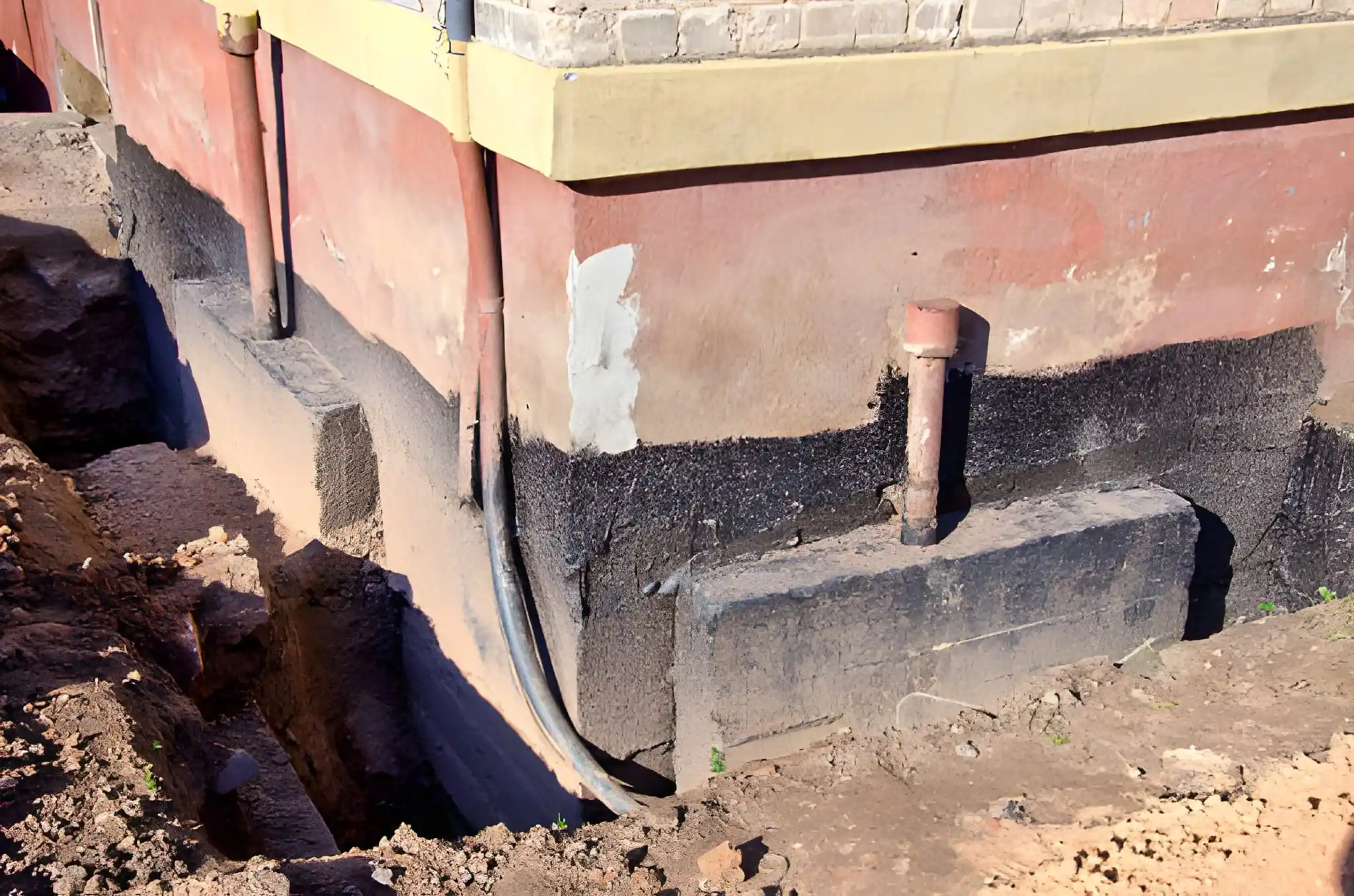
When cracks signal more serious issues, the foundation injection repair cost rises accordingly. This is often the case with horizontal cracks or stair-step cracks in cinder block foundations, which can indicate soil pressure or foundation wall failure.
- Multiple or Complex Cracks: Addressing several cracks or those requiring extensive preparation will push costs toward the $800+ per crack range.
- Integrated Solutions: Injection might be just one part of the solution. For example, a bowing wall might be stabilized with carbon fiber straps ($900-$2,000 per crack) before cracks are injected, significantly increasing the total project cost.
🔍 What Impacts Your Final Bill?
Beyond the core factors already mentioned, several other elements can influence your final invoice.
- Diagnostic Fees: A professional foundation inspection can cost $400 to $750, though many reputable companies waive this fee if you hire them for the repairs. For complex issues, hiring a structural engineer ($500-$1,000) is a wise investment for an unbiased assessment.
- Underlying Issues: If the cracks are caused by ongoing settlement or poor drainage, those root causes must be fixed. Installing a French drain or improving gutter systems can add $2,500 to $8,000 to your project, but it is essential for a permanent fix.
- Permits and Restoration: Some localities require permits for structural repairs, which can cost $75 to $150. Additionally, budget for restoring any landscaping or interior finishes disrupted during the repair process.
🏠 Types of Foundation Cracks and Their Repair Costs
Not all cracks are created equal. Here’s a quick guide to common crack types and their typical repair approaches.
Crack Type | Typical Severity | Recommended Repair | Estimated Cost Range |
Hairline | Low / Non-Structural | Epoxy or Polyurethane Injection | $250 – $500 |
Vertical/Diagonal | Low to Medium / Non-Structural | Polyurethane Injection (if leaking) | $300 – $800 |
Stair-Step (Block Foundations) | Medium to High / Structural | Often requires wall anchors/braces + injection | $1,000 – $5,000+ |
Horizontal | High / Structural | Requires stabilization (carbon fiber/piers) + injection | $4,000 – $12,000+ |
✅ How to Save on Foundation Injection Repair
Foundation repair is a significant investment, but there are ways to manage the cost effectively.
- Get Multiple Estimates: Always get at least three detailed quotations from certified, insured, and well-reviewed original contractors. This not only compares prices but also the proposed form styles.
- Address Problems: Beforehand, A small,non-structural crack is affordable to fix. Ignoring it can allow water intrusion and further damage, leading to a much larger bill down the road.
- Ask About Backing: Numerous foundation form companies offer backing plans or payment options to help homeowners manage the expenditure.
- Focus on Prevention: formerly repaired, take precautionary measures. Ensure your gutters are clean and downspouts direct water at least 5 feet down from your foundation. Proper grading around your home is a low-cost way to avoid water-related issues.
❓ Foundation Injection Repair Cost FAQ
Does homeowners' insurance cover the foundation injection form cost?
utmost standard programs count foundation issues caused by settling or soil movement. Still, they may cover damage if it’s the result of an unforeseen, covered pitfall like a burst pipe.
How long does the foundation injection form take?
For most single-crack systems, the injection process itself is veritably presto, frequently completed within a many hours. Polyurethane froth cures in as little as 15 twinkles, while epoxy resin may take many hours to harden fully.
Can I perform foundation injection myself?
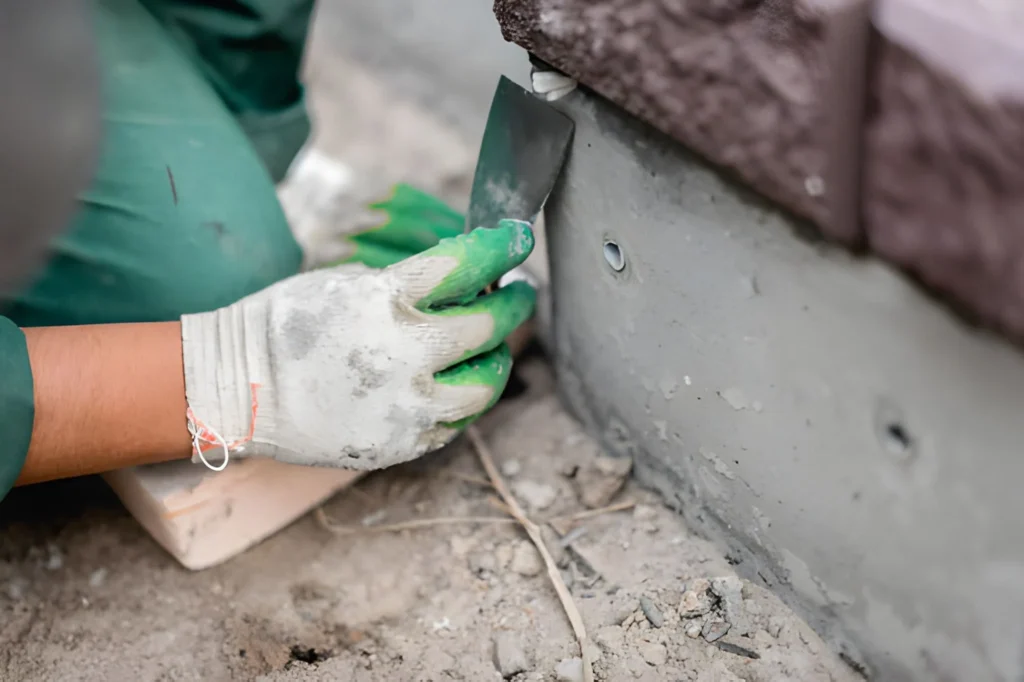
While DIY accoutrements are available, they’re stylish for small,non-structural cracks. A professional assessment ensures the root cause is addressed and the form is performed correctly under pressure.
What's the main difference between epoxy resin and polyurethane?
Epoxy resin is a rigid, structural form. Polyurethane is flexible and leakproof, making it better for sealing oohing cracks that may have minor seasonal movement.
When should I call a professional for a foundation crack?
Call a pro for any vertical crack, a crack wider than 1/4 inch, or any crack that’s laboriously oozing water or accompanied by bowing walls.
How does soil type affect foundation injection form cost?
extensive complexion soils, common in countries like Texas, can cause frequent foundation movement, potentially leading to further cracking and advanced long-term conservation costs.
Is foundation injection a permanent fix?
When done rightly for an applicable crack, epoxy resin injection is considered an endless structural form. Polyurethane seals are also long-lasting but can be compromised if foundation movement continues.
What are the warning signs of foundation problems?
crucial signs include doors and windows that stick, uneven bottoms, cracks in drywall or slip-up, and gaps between walls and ceilings.
Why is the foundation injection form cost-advantaged in some countries?
Regional differences in labor rates, material costs, and soil conditions( like extensive soil conditions in Texas) can significantly increase form costs.
How frequently should I check my foundation for cracks?
Conduct a visual examination of your foundation’s innards and surface at least twice a year, meticulously during seasonal changes in spring and fall.
💎 Key Takeaways on Foundation Injection Repair Cost
Understanding the foundation injection form cost empowers you to make informed opinions for your home. Flash back that early intervention is the most effective strategy for cost control. A small investment of many hundreds of bones can help a structural exigency, such as underpinning or piering, that runs into the knockouts of thousands hereafter.
By getting multiple professional opinions, understanding the nature of your foundation’s issues, and investing in precautionary conservation, you can ensure your home remains stable and precious for times to come. Do not let a crack in the foundation beget a crack in your confidence; you now have the knowledge to address it wisely.