
Your home is your sanctuary, the place where life happens. So, when you spot a crack in the wall or a door that suddenly won’t shut, Average Cost of Foundation Repair: $5,300 Revealed, it’s more than an annoyance; it’s a flutter of anxiety about the very base your home stands on. You’re not alone in wondering what the average cost of foundation form might be for a problem that, if left unattended, can compromise your home’s structural integrity and value.
Take my neighbor, Mike. Last time, he noticed a bitsy, break- swerving crack above his garage door. He joked it added “ character, ” but a time later, that character had spread, his bottom began to pitch, and the estimate to fix it wasn’t a laughing matter. His story is a common one, and it underscores a critical assignment: understanding foundation form costs before a minor issue becomes a major emergency is the smartest thing a homeowner can do.
This companion will walk you through everything you need to know in 2026, from the public average cost of foundation form to the factors that swing your final bill, all with the relatable, clear- eyed advice you’d anticipate from a trusted friend in the industry.
What’s the Damage? National Foundation Repair Cost Averages
Let’s launch with the big question. Nationally, the average cost of foundation form for most homes falls between$ 2,200 and$ 8,100, with a typical design going around $5,100. still, it’s pivotal to understand that “ average ” covers a vast diapason. A simple, early- stage fix might be just a few hundred bones, while severe structural failures, taking lifting your entire home, can soar to $20,000,$ 35,000, or indeed over $100,000 for a complete relief.
Think of it like auto repairs. A scrape is different from a cushion- toot, which is a world piecemeal from a totaled machine. The final price label depends entirely on the” opinion.”
Cost Breakdown by Type of Repair
The repair method is the single biggest driver of cost. Here’s a detailed look at what you might pay for common solutions:
Repair Type | Description | Average Cost Range | Best For |
Mudjacking / Slabjacking | Pumping a grout mixture beneath sunken concrete to lift and level it. | $500 – $1,500 | Sunken concrete slabs, driveways, patios, and minor foundation settling. |
Crack Injection | Sealing active cracks with epoxy or polyurethane to prevent water intrusion. | $250 – $800 per crack | Stabilizing small, non-structural cracks in poured concrete walls. |
Piering (Underpinning) | Installing steel or concrete piers deep into stable soil to support and lift a settling foundation. | $1,000 – $3,000 per pier | Homes with significant, ongoing settlement or sinking. |
Wall Anchors / Carbon Fiber Straps | Stabilizing bowing or leaning basement walls with reinforcement. | $350 – $1,200 per anchor or strap | Bowing basement walls caused by external soil pressure. |
Foundation Waterproofing | Installing interior or exterior drainage systems and moisture barriers. | $2,000 – $7,000+ | Chronic moisture, leaks, or dampness in basements and crawl spaces. |
Foundation Lifting & Leveling | The extensive process of raising an entire home back to its original position. | $20,000 – $30,000+ | Severe, widespread foundation failure and settlement. |
This table helps illustrate why getting a specific diagnosis is so important. What looks like a simple crack on the surface might be a symptom of sinking that requires piering, changing the potential average cost of foundation repair dramatically.
What Determines Your Final Bill? The 5 Key Cost Factors
Your home isn’t average, and your repair won’t be either. Five main factors interact to create your unique estimate.
1. The Severity and Type of Damage
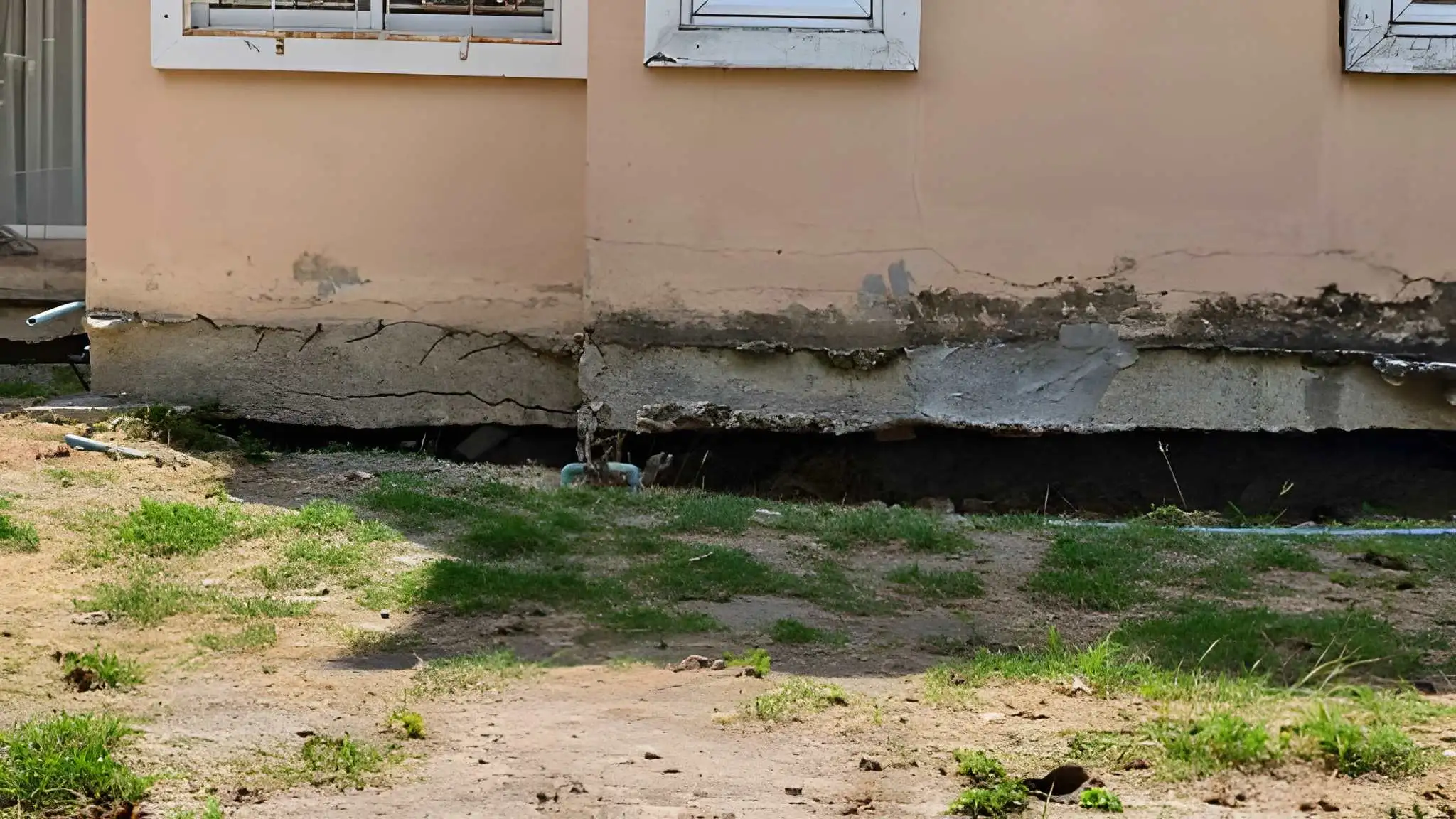
This is the most egregious factor. A hairline, perpendicular crack that’s been stable for times is a world piecemeal from a vertical crack that’s widening or a basement wall bowing inward. As a rule, catching problems beforehand is the# 1 way to save money. A form that costs$ 800 moment could fluently balloon to$ 15,000 if ignored. The type of damage, be it agreement, heaving( upward movement), or bowing, also dictates the result and its cost.
2. Your Home’s Foundation Type
The way your home was built plays a starring role in the repair playbook and its price:
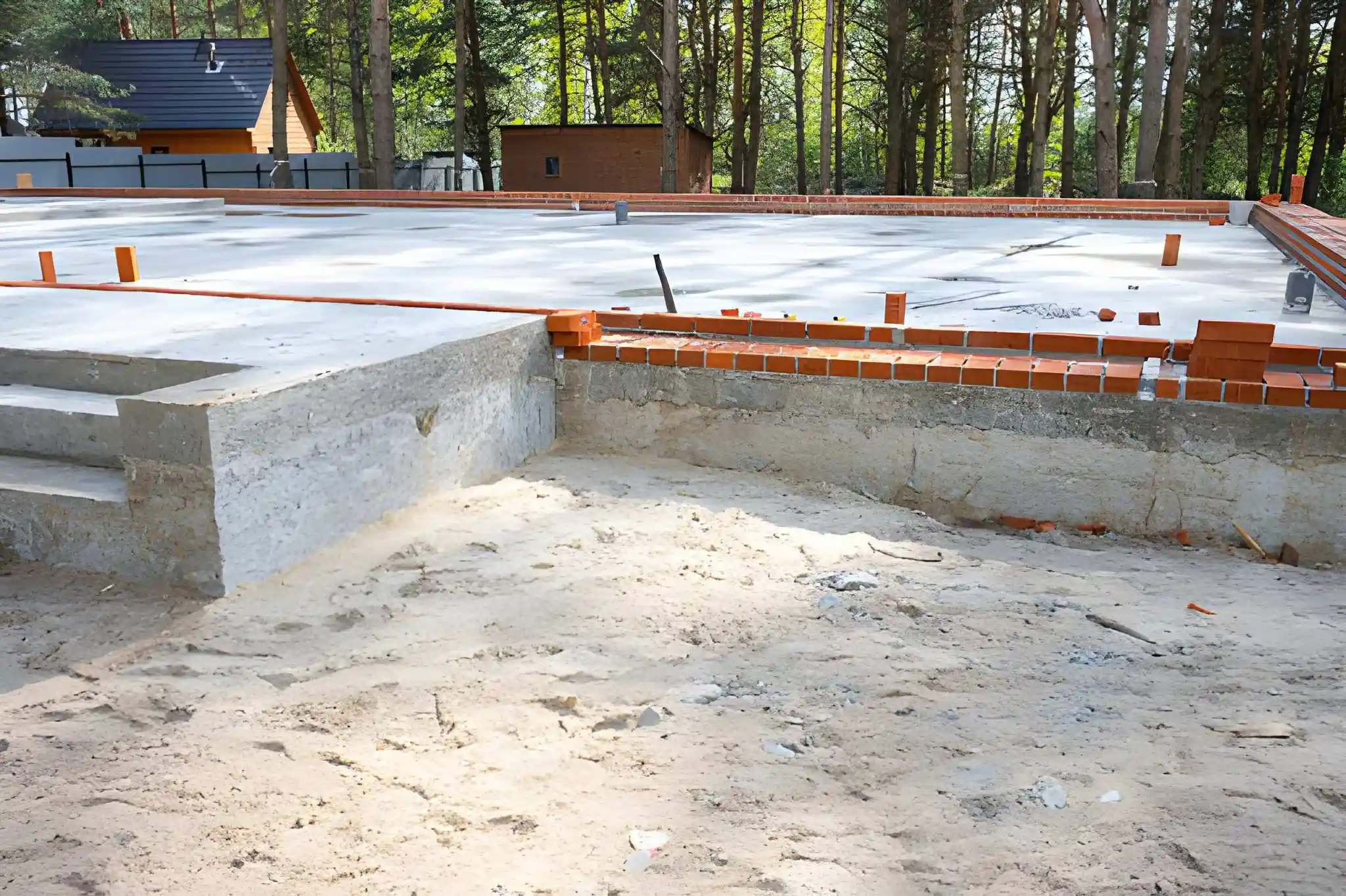
- Arbor- on- Grade: Common in warmer climates. Repairs frequently involve slabjacking or piering through the concrete. The average cost of foundation form for an arbor tends to be on the lower end for minor issues, but can escalate if plumbing bedded in the arbor is affected.
- Bottleneck Space: Elevates the home, allowing access. Common problems involve humidity, wood spoilage, and sinking piers. Repairs can be more accessible but may bear expansive humidity control, with waterproofing going $ 1,500-$ 5,000.
- Full Basement: Offers living space but presents the most complex and expensive form of challenges, especially for bowing walls or water intrusion. Structural wall repairs alone can range from$ 4,000 to$ 12,000.
3. Your Home’s Size, Weight, and Accessibility
Larger, heavier homes bear further accoutrements, further piers, and further labor. A 3,000 sq. ft. home will probably need further supports than a 1,200 sq. ft. home, raising the average cost of the foundation form. Likewise, if contractors can’t get a heavy outfit to the work point due to tight yards, walls, or mature landscaping, they may have to dig by hand, significantly adding labor time and cost.
4. The Soil Beneath Your Feet
Your foundation’s worst adversary is frequently the ground it sits on. extensive complexion soils, common across much of the southern and central U.S., swell when wet and shrink when dry, creating constant movement. This frequently necessitates further robust, endless results like spiral piers. In flood tide-prone or littoral areas, pile foundations are used but face their own deterioration pitfalls. A contractor who understands original soil is worth their weight in gold.
5. Your Geographic Location
The average cost of foundation repair in Peoria is not the same as in San Francisco. Labor rates, permit costs, and material prices vary widely. Furthermore, regional risks dictate specialized repairs:
- California & Seismic Zones: Bear seismic retrofitting( adding$ 4,000-$ 10,000), which may involve anchor bolts and cripple wall bracing.
- Texas & the Southwest: Expansive complexion demands piering systems, with average repairs frequently ranging from$ 10,000 to$ 30,000.
- The Frost Belt: Freeze- thaw cycles can crack foundations, taking specific forms.
Beyond the Repair Quote: Hidden and Additional Costs
A responsible budget plan for more than just the core repair. Be prepared for these potential add-ons:
- Professional examinations & Reports: While numerous contractors offer free examinations, for complex issues, a licensed structural mastermind’s report($ 500-$ 1,200) provides an unprejudiced assessment that can be invaluable for planning and insurance. A soil report from a geotechnical mastermind($ 500-$ 3,000) might also be demanded.
- Permits and examinations: utmost cosmopolises bear permits for structural work, generally going $ 75-$ 300. Don’t hire a contractor who suggests skipping this step.
- Post-Repair Cosmetic: Work Once the foundation is fixed, you’ll likely need to repair drywall cracks, repaint,re-tile bottoms, orre-grade landscaping. Budget an redundant$ 500-$ 3,000 for this finishing work.
Backing the Repair: Since most homeowners’ insurance programs don’t cover foundation damage from gradual settlement or soil movement, the cost frequently falls on you. Numerous homeowners turn to home equity loans( HELOCs), home equity loans, or particular loans to manage the expenditure.
A Step-by-Step Action Plan for Homeowners
Feeling overwhelmed? Follow this roadmap to navigate the process with confidence.
Step 1: Know the Warning Signs. Don’t fear at every crack, but do probe. Crucial red flags include cracks wider than 1/4 inch, vertical cracks in basement walls, doors, and windows that stick for no reason, uneven or leaning bottoms, and gaps between walls and ceilings.
Step 2: Get Multiple Professional examinations. Start with free examinations from 3- 4 estimable, original foundation form specialists. For significant enterprises, invest in a structural mastermind’s evaluation. This gives you an unprejudiced standard against contractor proffers.
Step 3: Get & Compare Detailed, Itemized quotations. A good quotation isn’t just a bottom- line number. It should detail the problem, the proposed result( including accoutrements like sword piers vs. concrete), the number of piers or anchors, the bond, timeline, and a line point for permits.
Step 4: Ask the Right Questions.
- “ What’s the root cause of my foundation problem? ”
- “ Can you explain the bond in detail? Is it transmittable if I vend my home?”
- “ How will you cover my landscaping, and who handlespost-repair ornamental fixes? ”
- “ Are you certified, ensured, and will you pull the proper permits? ”
Step 5: Plan Your Backing. Explore options beforehand. Numerous estimable contractors offer backing plans, but also check with your bank or credit union about HELOCs, which frequently have favorable interest rates.
Frequently Asked Questions
Does homeownes insurance cover foundation form?
Generally, no. Most programs count damage from settling, soil movement, or poor conservation. Coverage may only apply if damage is unforeseen and accidental, like from a burst pipe.
Can I stay in my home during repairs?
For utmost repairs, yes. Minor jobs may take a day; major piering systems can take several weeks, but are frequently offered to minimize dislocation.
Is a foundation form a endless fix?
Quality repairs using styles like sword piers are designed to be endless and frequently come with continuance, transferable guarantees. Addressing the root cause( like drainage) is crucial to life.
Will the foundation form increase my homes value?
Absolutely. A professionally repaired foundation with a strong bond removes a major red flag for buyers and preserves your home’s resale value. Unaddressed damage can reduce value by 25 or further.
The Bottom Line: An Investment in Peace of Mind
Understanding the average cost of foundation form empowers you to move from fear to informed action. While the figures can be dispiriting, flash back that this form isn’t an expenditure, it’s a critical investment in the safety, stability, and long- term value of your single most important asset.
The trip my neighbor Mike went through ended well. He got three quotations, understood why spiral piers were the right result for our complex soil, and used a HELOC to finance the work. moment, his home is stable, his mind is at ease, and the only “ character ” in his house is the family living inside it. By taking a visionary, educated approach, you can ensure the same solid future for your home.