
You’re grabbing a coffee in your kitchen when you see it, a thin, jagged line snaking up from the baseboard. Cost to Fix Cracked Foundation: $5K Ultimate Guide 2026, A moment later, you’re down in the basement, and there it is again, a crack in the foundation wall. Your stomach drops. fancies of disastrous structural failure and astronomical form bills submerge your mind. Before you horrify and list your house on Zillow as a “ handyperson’s special, ” take a deep breath. Seeing a crack doesn’t mean your home is doomed. But understanding what it means for your portmanteau is pivotal.
Drink to the ultimate, no- gibberish companion to the cost to fix a cracked foundation in 2026. We’re cutting through the assiduity slang and dread tactics to give you a clear, comprehensive look at what you can anticipate to pay, why prices vary so hectically, and how to ensure you’re investing in a continuing result, not a temporary band- aid.
Why Foundation Cracks Are Like Dental Cavities
Think of your home’s foundation like your teeth. A small, hairline crack might just be a superficial craze line; cosmetic and monitoring it is key. But a wider, horizontal crack or one accompanied by sticking doors? That’s a cavity reaching towards the root. Ignoring it won’t make it cheaper; it will only lead to a more complex and expensive procedure later. The cost to fix a cracked foundation is an investment in your home’s long-term health, stability, and value. It’s not an expense; it’s preventive medicine for your largest asset.
Decoding the Price Tag: What Goes Into the Cost to Fix a Cracked Foundation?
Asking for a single price for foundation repair is like asking for the price of “a car.” It depends. A host of factors influence the final number, which is why estimates can range from a few hundred dollars to tens of thousands. Let’s break down the variables.
1. The Type and Severity of the Crack
This is the primary driver of cost.
- Hairline loss, Cracks( Under 1/16 inch): These are frequentlynon-structural, caused by concrete curing. The form is generally simple, cleaning and sealing with epoxy resin or polyurethane to help water drainage. Cost$ 300-$ 800.
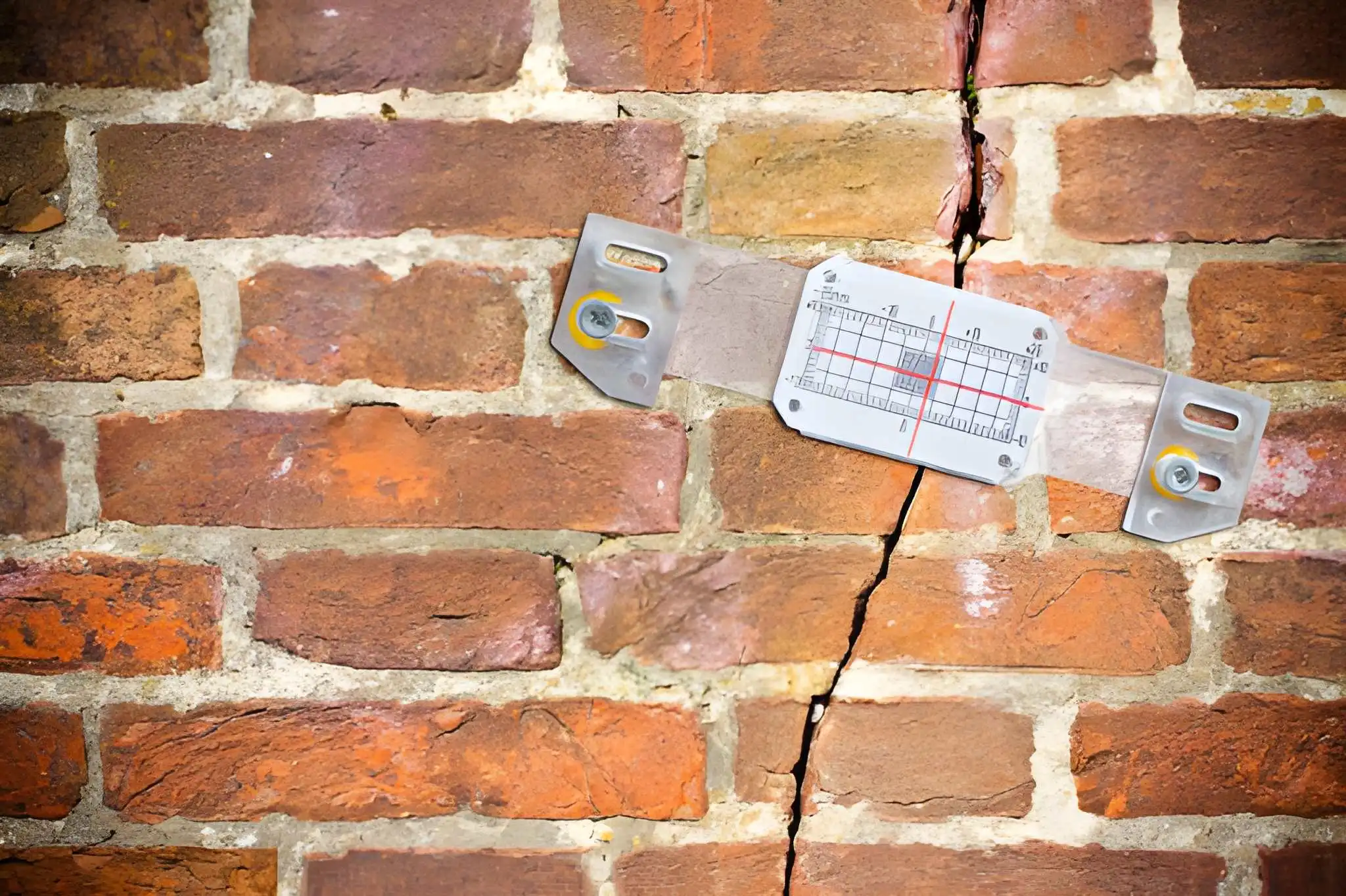
- Vertical or Diagonal Cracks( 1/16 to 1/4 inch): These can indicate settling. They frequently bear suturing with carbon fiber strips or installing sword shafts for stabilization before sealing. Cost$ 500-$ 2,500 per crack.
- Horizontal Cracks: A red flag. These often signal serious hydrostatic pressure from saturated soil outside, pushing walls inward. This usually requires more extensive intervention, like wall anchors or braces. Cost: $1,000 – $4,000 per anchor or brace, with multiple typically needed.
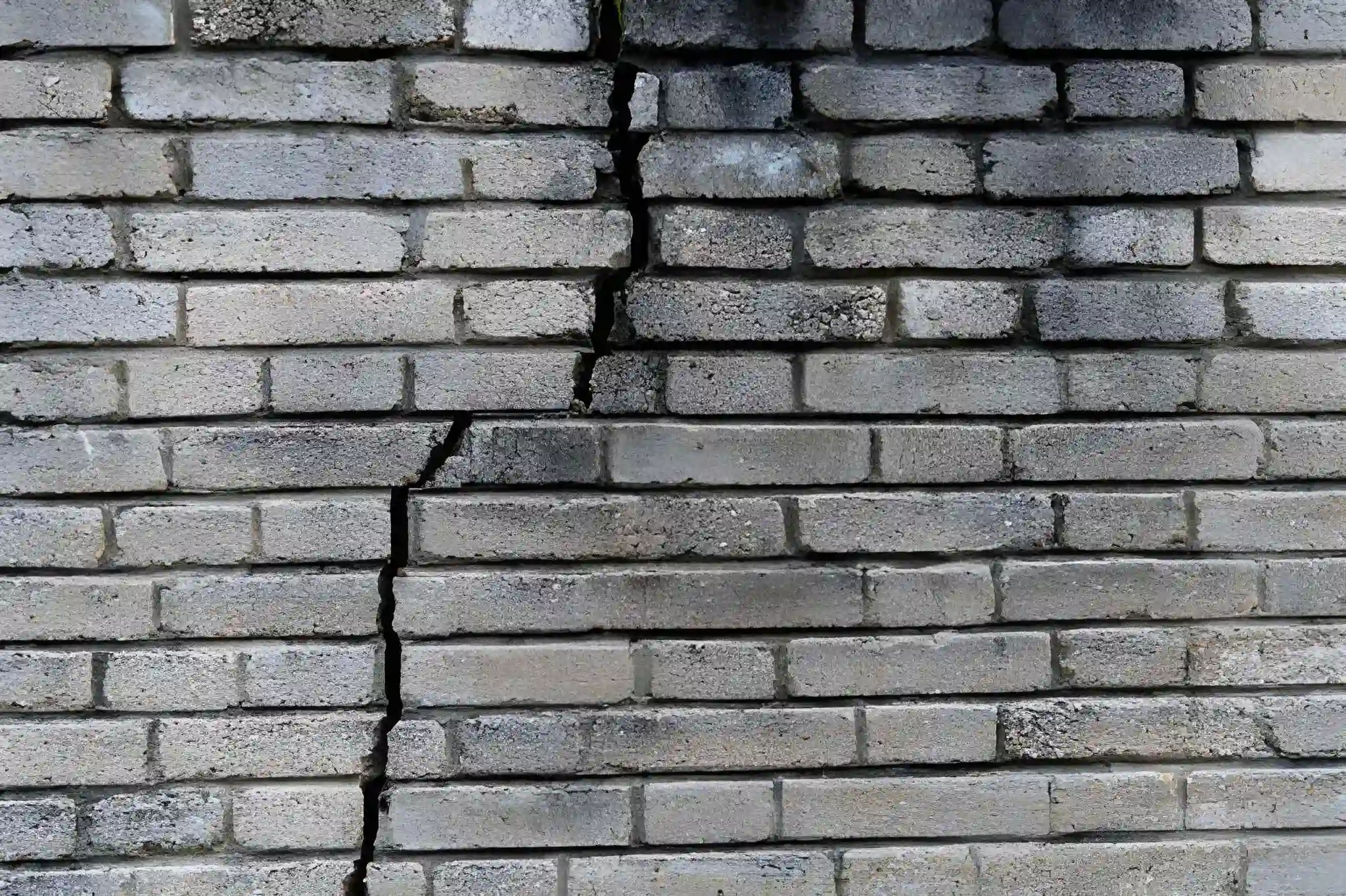
- Stair-Step Cracks (in brick or block foundations): These follow the mortar lines and indicate differential settlement. Repair may involve underpinning with piers. Cost: This enters major repair territory, often $10,000+.
2. The Repair Method: From Caulk to Piers
The chosen solution directly dictates your foundation crack repair cost.
- Epoxy or Polyurethane Injection: For non-structural, leaking cracks. It’s a minimally invasive sealant injection. Affordable but only addresses water, not movement.
- Carbon Fiber Reinforcement: Strong, thin straps bonded to the wall to hold a crack in place and prevent further bowing. Less invasive than steel.
- Steel I-Beams or Wall Braces: Traditional, robust solution for significantly bowed walls. More obtrusive but extremely strong.
- Wall Anchors (Helical or Plate): Installed through the wall into stable soil outside to gradually pull a bowed wall back. Requires exterior excavation.
- Underpinning with Piers (Push, Helical, or Slab): For settling/sinking foundations. Supports are driven deep into load-bearing soil to lift and stabilize the structure. This is the most comprehensive and expensive solution.
3. Accessibility and Location
Is the crack behind a finished basement wall, under a deck, or next to a prized Japanese maple? Difficult access adds labor time. Interior work is generally less expensive than exterior repairs that require excavation around the home’s perimeter.
4. Geographic Location
Labor rates, permit costs, and even soil conditions vary dramatically across the country. The cost to fix a cracked foundation in Los Angeles, where labor is high, and hillside soils are tricky, will differ from the cost in Kansas City, where expansive clay soils are the primary culprit.
- Midwest (Kansas City, MO): Expansive clay soils keep repair companies like Kansas City Pier & Foundation and French Drain KC busy. The average range for significant repairs here is often $5,000 – $15,000.
- West Coast (Los Angeles, CA): Hillside movement, seismic concerns, and high costs define the market. As noted by Weinstein Construction, seismic retrofitting can push costs even higher. Major repairs routinely exceed $20,000.
- Southeast (Carolinas): Humidity, sandy soils, and water table issues are common. Companies like Carolina Foundation Solutions deal with a mix of piering and drainage solutions.
- National Averages: Most reputable sources, from Dalinghaus Construction to PermaPier, cite a broad national average of $4,500 to $15,000 for a typical foundation repair project, with emergency or extensive work soaring to $25,000+.
5. Water Drainage and Grading
Often, the crack is a symptom, and water is the disease. Many contractors will insist on correcting drainage (regrading, installing gutters and downspout extensions, or adding a French drain system) before or during repair. As Regional Waterproofing and The Real Seal LLC emphasize, neglecting this can doom any repair to failure. This adds $1,500 – $5,000+ but is non-optional for a lasting fix.
A Tale of Two Estimates: A Story from Kansas City
Consider the Johnsons and the Garcias, neighbors in a Kansas City suburb built on clay.
- The Johnsons noticed a few vertical basement cracks seeping water after heavy rains. They got three quotes. The first, from a “waterproofer,” quoted $1,200 to inject the cracks. The second, from a foundation specialist like Crack Attack or CBCTwinCities, might recommend a carbon fiber strap on one crack and epoxy injection on all, plus an evaluation of their gutter system, for $2,800. The third suggested excavating the entire side of the house—a $12,000 project.
- The Garcias ignored a growing horizontal crack for two years. By the time doors wouldn’t close, their estimate from a firm like LIFT-Texas or DFX Repair included installing six wall anchors and an interior drainage channel due to significant bowing and water intrusion: a $16,000 necessity.
The moral? The cost to fix a cracked foundation is lowest when you act early and get multiple, detailed inspections from reputable, specialized contractors.
The Invisible Cost of Not Repairing: Your Home’s Value
Skipping repair to save money is a financial trap. A disclosed foundation issue can scare off 90% of buyers and slash your asking price far more than the repair would have cost. A fixed foundation, with transferable warranties from companies like ESO Grepair or Helicon, becomes a selling point, proving the home is stable and cared for. It’s not just a repair bill; it’s capital preservation.
How to Budget Smartly for Foundation Repair
- Get Multiple Examinations: Always get at least 3 detailed, in- person estimates from certified, ensured, and well- reviewed foundation specialists( not general contractors).
- Ask for Line- point Quotes: A quotation should detail labor, accoutrements, system, bond( and if it’s transmittable), and any necessary engineering reports($ 500-$ 1,500).
- Check for retired: lawbreakers to ensure the quotation addresses the cause( drainage, plumbing leaks, tree roots) as well as the symptom( the crack).
- Finance Strategically: Many reputable companies offer financing. Alternatively, a home equity loan or line of credit (HELOC) may offer lower rates. Avoid putting a large, short-term repair on a high-interest credit card.
- Prioritize: If the full cost to fix a cracked foundation is staggering, work with the contractor on a phased plan. Address the most critical, structural issues first, and plan for cosmetic or secondary fixes later.
Frequently Asked Questions (FAQ)
[sc_fs_multi_faq headline-0=”h3″ question-0=”What’s the average cost to fix a cracked foundation?” answer-0=”The public average ranges from $4,500 to $15,000, but simple cracks can be under $1,000, while major repairs exceed$ 25,000.” image-0=”” headline-1=”h3″ question-1=”Are foundation cracks always a serious problem?” answer-1=”Not always. Hairline loss cracks are frequently ornamental, but vertical or widening cracks indicate serious structural issues taking immediate assessment.” image-1=”” headline-2=”h3″ question-2=” Will homeowners’ insurance cover foundation crack form?” answer-2=”Generally, no. Standard programs count agreement, seepage, and earth movement. Coverage is only if the crack is caused by an unforeseen, named pitfall, like a plumbing burst.” image-2=”” headline-3=”h3″ question-3=”How long does a typical foundation crack form take?” answer-3=”Most systems take 1- 3 days. Complex underpinning or expansive anchoring can take a week or longer, depending on scale and rainfall.” image-3=”” headline-4=”h3″ question-4=”Can I repair a foundation crack myself with epoxy resin from a tackle store?” answer-4=”For bitsy,non-structural,non-leaking cracks, it’s possible. Otherwise, DIY can worsen the problem and void professional bond options.” image-4=”” headline-5=”h3″ question-5=”What’s the stylish system to repair a bowing basement wall?” answer-5=”Carbon fiber strips for moderate bowing, spiral or plate wall anchors for significant inward movement. The stylish system depends on soil conditions and inflexibility.” image-5=”” count=”6″ html=”true” css_class=””]
Conclusion: An Investment in Peace of Mind
The trip from discovering a crack to writing a check is stressful. But knowledge is power. By understanding the factors, styles, and indigenous pricing, you transform from a fearful homeowner into an informed customer. The true value of repairing your foundation isn’t just in the stabilized walls; it’s in the peace of mind you gain, knowing your home is safe, sound, and defended for the long haul. The cost to fix a cracked foundation is the price of conserving your sanctuary.