
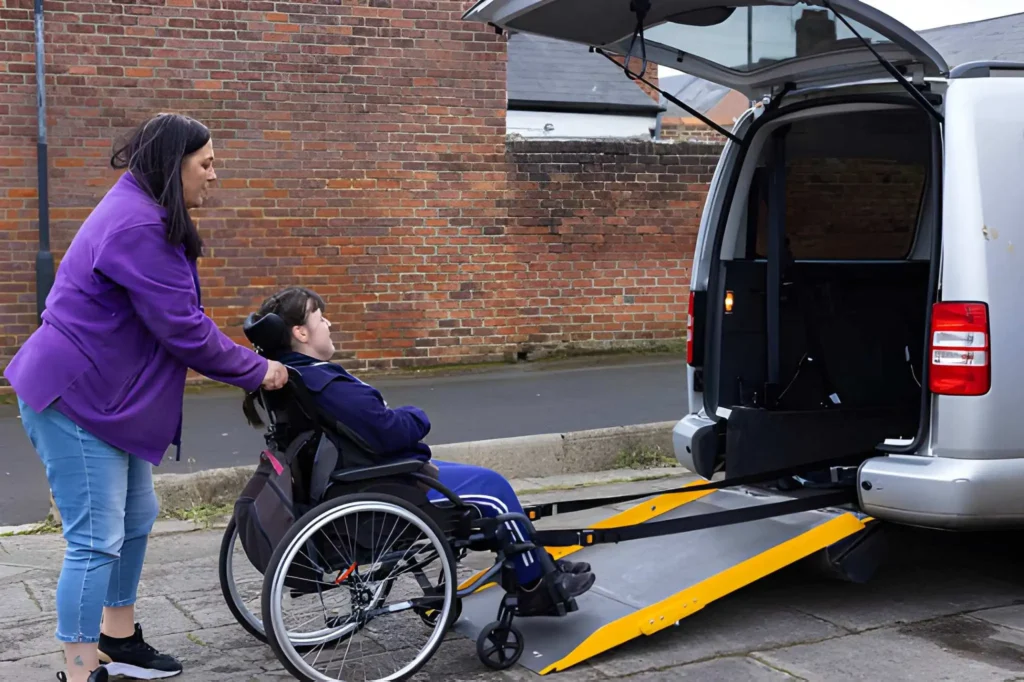
For numerous Americans, home is more than just a place; it’s a sanctuary. 3 Space-Saving Wheelchair Platform Lift for Home Designs. But what happens when the very structure of that sanctuary presents walls? Imagine facing a simple set of three veranda ways every time you want to check the correspondence, or the daunting peak of a split- position living room separating you from family movie night. This was the reality for my neighbor, Sam. After his knee relief, those many ways to his frontal door came an invincible precipice.
The temporary ramp was cumbersome, the recovery was slow, and the frustration was palpable. It wasn’t just about mobility; it was about independence. His result, and the disclosure for our entire neighborhood, was the installation of a wheelchair platform lift for the home. This was not just a piece of outfit; it camewith the key that reopened his world.
A wheelchair platform lift for the home is more than an availability device; it’s an architectural game-changer. It’s a pledge that every part of your home remains yours to enjoy. In this companion, we’ll explore how this technology is transubstantiating lives across the USA, offering not just access but autonomy, safety, and peace of mind.
What is a Wheelchair Platform Lift for Home?
At its core, a wheelchair platform lift for the home is a motorized platform that transports a person in a wheelchair or scooter vertically between two or more levels. Unlike a full- sized elevator, it doesn’t bear an unrestricted shaft or massive addition. Suppose it is a secure, dependable outdoor or indoor stage that gently rises and lowers along a straight rail system. It’s the realistic, frequently more affordable, and space-effective stock for the domestic elevator, designed specifically to conquer perpendicular obstacles like stairs, balconies, and sunken living apartments.
The Silent Revolution in Home Accessibility
Gone are the days when home mobility results were purely institutional. moment’s wheelchair platform lift for home models are satin, quiet, and designed with domestic aesthetics in mind. They can be installed on a veranda ( frequently called a perpendicular veranda lift), along a staircase, or indeed in a garage. This is not about” medicalizing” a home; it’s about seamlessly integrating functionality so that the focus remains on living, not on the logistics of movement.
Why Consider a Wheelchair Platform Lift? The Unspoken Benefits
While the primary function is clear, the benefits of a wheelchair platform lift for the home ripple through every aspect of daily life.
1. Reclaiming Independence & Psychological Well- being
The most profound impact is frequently cerebral. The capability to move freely without staying for backing restores a sense of tone- reliance. It’s the difference between asking for help to join everyone on the sundeck for a regale and simply rolling out there yourself. This autonomy is a massive boost to confidence and internal health.
2. Enhancing Safety for Everyone
Movable ramps can be slippery when wet. Stairs are a fall threat for individuals with mobility issues, growing children, and indeed for someone carrying a laundry handbasket. A platform lift provides a stable, controlled terrain. With features like fold- down ramps, safety detectors, andnon-slip platforms, it significantly reduces ménage accident pitfalls.
3. unborn- Proofing Your” Forever Home.”
Numerous of us plan to progress in place. Installing a wheelchair platform lift for home is a visionary step in future- proofing your hearthstone. It’s an investment that ensures your home remains accessible through different life stages, potentially adding to its resale value and appeal to a broader range of potential buyers.
4. Reducing Physical Strain on Caregivers
For consorts or family caregivers, aiding someone up and down stairs is physically demanding and can lead to injury. A lift alleviates this strain, guarding the caregiver’s health and transubstantiating a physically trying task into a simple button- drive. This helps save energy for meaningful connections rather than logistical labor.
5. Unleashing Social and Community Connection
Social insulation is a real threat when leaving home feels like a major passage. A veranda lift eliminates the hedge to coming and going, making robotic passages to the theater, to visit neighbors, or to run errands not just possible, but easy. It keeps you connected to your community.
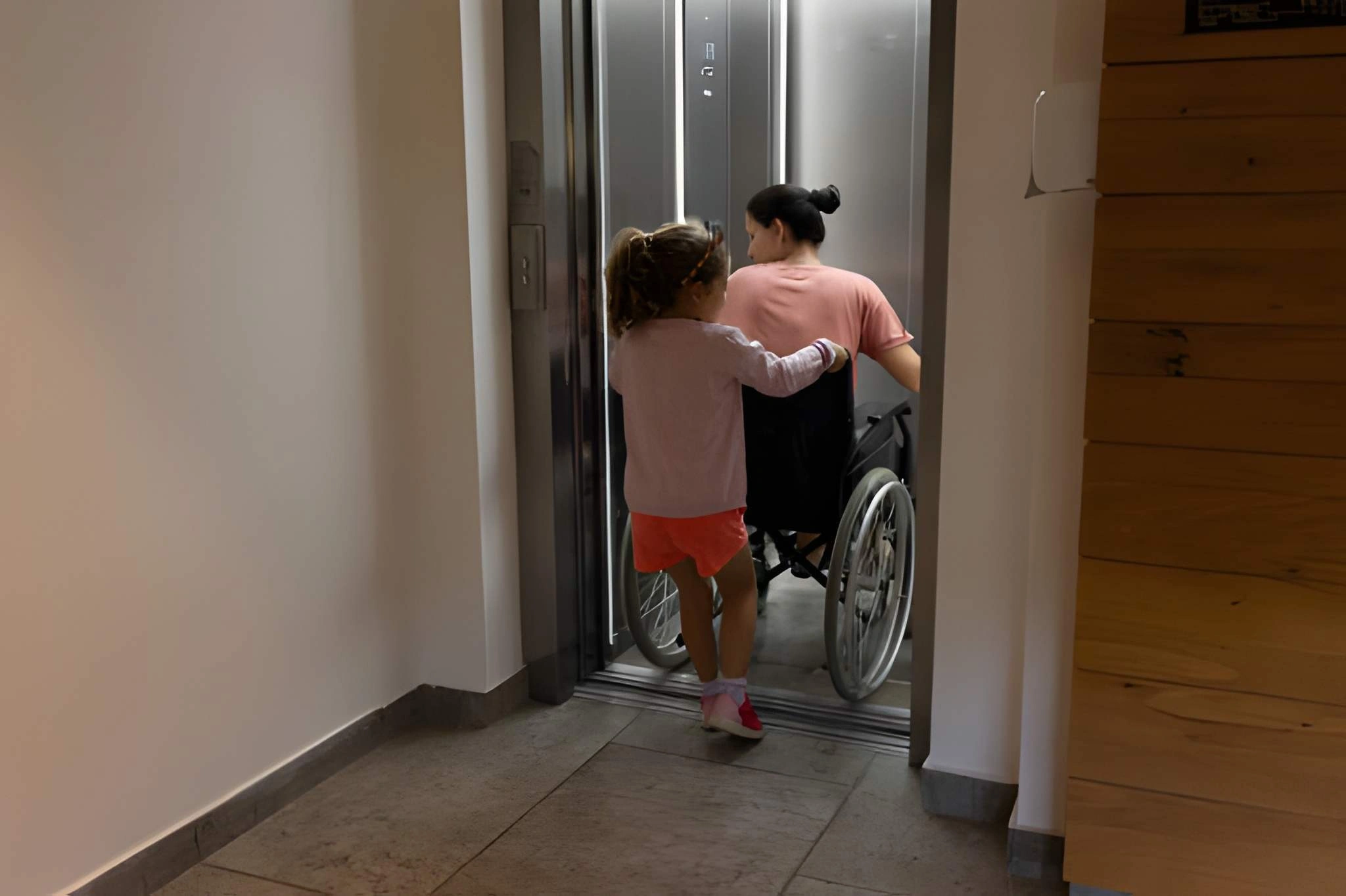
Choosing the Right Type: It’s Not One-Size-Fits-All
Selecting the ideal wheelchair platform lift for your home depends on your specific layout, needs, and budget. Here are the common configurations:
Vertical Platform Lifts (VPLs)
These are the workhorses of exterior access, perfect for overcoming height differences of up to 12 feet or more. They are self-supported, often enclosed with mesh or polycarbonate siding, and are ideal for deck, porch, or garage entry. They require a concrete foundation pad.
- Best for: Overcoming significant exterior vertical distances.
Inclined Platform Lifts (Stair Lifts)
These follow the line of an existing staircase, making them ideal for straight, curved, or even spiral stairs indoors. The platform is minimal, and the user rides at an incline.
- Best for: Multi-story homes with existing staircases where a vertical shaft isn’t feasible.
Portable & Modular Platform Lifts
A more flexible, often temporary solution, these can be moved and installed in different locations as needed. They are great for renters or for providing access in a specific area of the home.
- Best for: Temporary needs or multi-point access without multiple permanent installations.
The Installation Journey: What to Expect
The process of integrating a wheelchair platform lift for the home is surprisingly straightforward, especially compared to a full elevator.
- Consultation & Assessment: A reputable dealer( like numerous of the providers linked throughout this composition) will conduct an in- home evaluation. They’ll measure the perpendicular rise, assess the installation point, bandy power conditions, and review your specific operation requirements.
- Permitting & Preparation: Most installations bear an original structure permit. Your provider should manage this process. point medication, like pouring a concrete pad for a VPL, is done at this stage.
- Professional Installation: A trained crew will install the lift, generally within 1- 3 days, depending on complexity. The process is designed to be minimally invasive.
- Training & Walkthrough: The most pivotal step! The installer will completely train you and your family on all operations, safety features, and introductory troubleshooting.
Key Considerations Before You Invest
- Space & Layout: Measure doubly. Ensure there’s acceptable space at the top and nethermost levees for safe approach and exit.
- Weight & Size Capacity: Standard lifts accommodate 750 lbs., but confirm it fits your specific wheelchair or scooter confines.
- Power Source: runs on standard ménage current. Ask about battery backup systems for operation during a power outage, a critical point for safety.
- Weatherproofing( for surface lifts): ensure the unit is rated for outdoor use in your original climate, from summer sun to winter snow.
Warranty & Service: Choose a provider with a strong public service network and a comprehensive bond. This is a long- term investment; support is crucial.
Beyond the Lift: Creating a Truly Accessible Home
A wheelchair platform lift for the home is often the cornerstone of a broader accessibility plan. Consider it the first step in a journey that might also include:
- Widening doorways
- Installing roll-in showers
- Implementing smart home technology for lighting, climate, and security
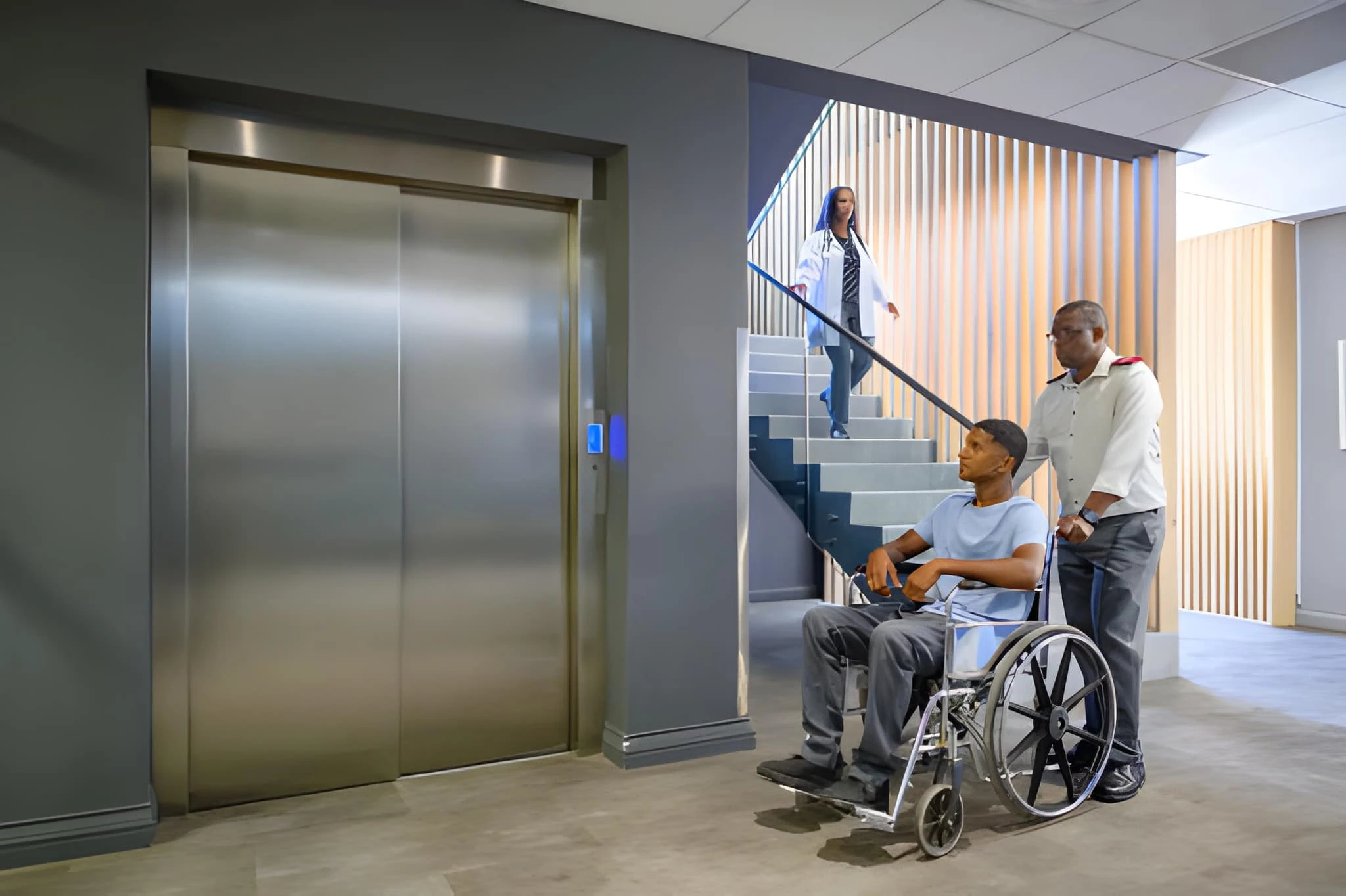
Frequently Asked Questions (FAQ)
[sc_fs_multi_faq headline-0=”h3″ question-0=”How important is a wheelchair platform lift for the home cost?” answer-0=”Costs vary by type and installation complexity, but generally range from$ 15,000 to$ 30,000 before implicit fiscal backing.” image-0=”” headline-1=”h3″ question-1=”Will my insurance or Medicare cover a platform lift?” answer-1=”Infrequently, for the entire cost, but stagers benefits, subsidies, or duty deductions may help neutralize some charges. Always check with providers.” image-1=”” headline-2=”h3″ question-2=”How long does installation take for a home platform lift?” answer-2=”Most standard installations are completed by professionals within just one to three full days, minimizing ménage dislocation.” image-2=”” headline-3=”h3″ question-3=”Is a wheelchair platform lift safe to use in rain or snow?” answer-3=”Exterior- rated perpendicular platform lifts are designed for rainfall, but always follow the manufacturer’s specific guidelines for ice or severe conditions.” image-3=”” headline-4=”h3″ question-4=”Can I install a wheelchair platform lift myself?” answer-4=”Absolutely not, installation requires licensed professionals for critical safety, electrical, and compliance with all original structure codes and regulations.” image-4=”” count=”5″ html=”true” css_class=””]
Conclusion: The Lift That Lifts Spirits
Choosing to install a wheelchair platform lift for the home is a decision that prioritizes freedom, quality, and the simple joy of disencumbered movement within your own space. It’s a protestation that your home should acclimate to you, not the other way around.
As my neighbor Sam discovered, it’s not about the mechanics of a platform going up and down; it’s about the mortal experience of coming by and going out, of sharing completely, and of reclaiming the everyday measures of home life. In the geography of home availability, it remains one of the most poignant, practical, and life- affirming results available.