
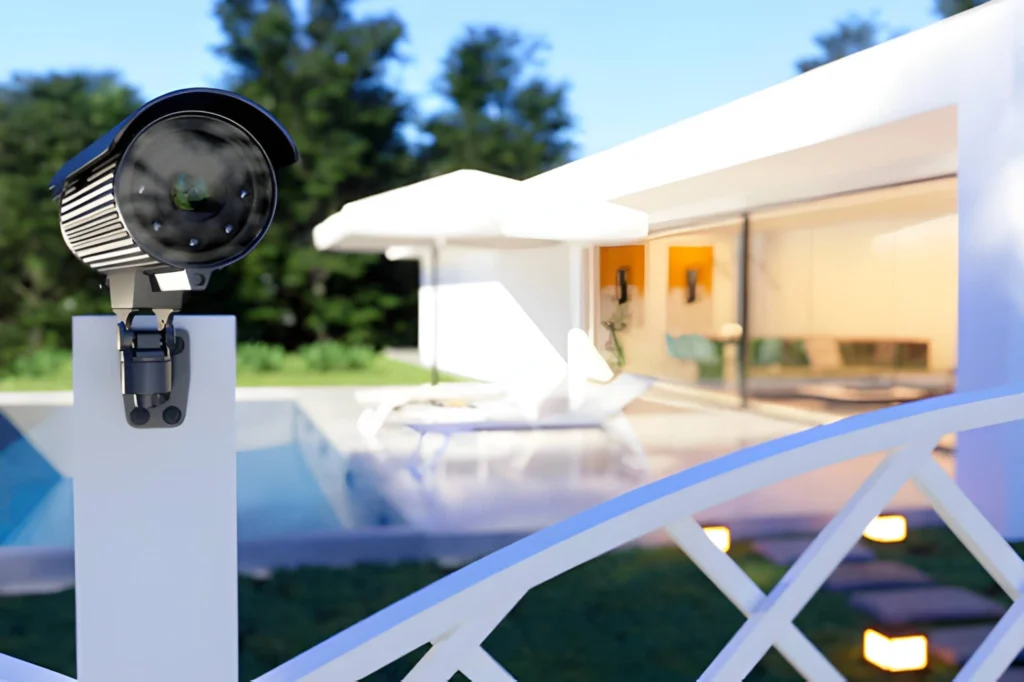
Picture this: It’s a Tuesday in autumn in suburban Chicago. You’re staying for a pivotal package. The delivery announcement dings on your phone, but by the time you get to the door thirty twinkles later, the step is bare. Uncover Hidden Truths: 5 Best Outdoor Hidden Camera, A familiar sinking feeling sets in.
Or imagine your peaceful cabin flight in the Colorado forestland, where the only sounds are the rustling pines and the occasional, unexplained noise from the property line after dark.
In a world where security is paramount but aesthetics and sequestration are inversely valued, the outdoor retired camera has surfaced as the sophisticated result for the sapient American homeowner. It’s not just about surveillance; it’s about intelligent, invisible protection that blends seamlessly into your home’s character, from a satiny Brooklyn brownstone to a sprawling Texas estate.
This comprehensive companion moves beyond introductory lists to explore the gospel, strategy, and smart perpetration of retired out-of-door security. We’ll claw into creative placement, ethical considerations, and how to choose technology that works for you, turning your property into a still-observed fort.
The Rising Appeal of the Discreet Watchman
Gone are the days when home security meant a big, egregious black plate that screamed, “ you’re on camera. ” Modern homeowner seeks a mix of alertness and slyness. Why this shift? As stressed in assiduity conversations, like those noting the 5 reasons hidden cameras are gaining popularity, the sense is clear.
First, deterrence vs. substantiation. A visible camera can discourage a casual opportunist, but a determined meddler will simply trash it or acclimate their approach. A well-placed outdoor camera, still, captures candid, pivotal substantiation without waking the subject. It’s the difference between a scarecrow and a wildlife experimenter hidden in an eyeless.
Alternatively, HOA Regulations and Aesthetics. Numerous American neighborhoods, particularly in planned communities across states like Florida or California, have strict Homeowners Association rules proscribing egregious differences. A discreet outdoor camera can cover your front yard without violating covenants, conserving your home’s curb appeal.
Third, the Element of Surprise. For recreating nuisances, whether it’s a neighbor letting their canine bat in your Scottsdale yard or mysterious trash appearing in your Seattle alley, a retired unit provides irrefragable evidence without tilting your hand during the disquisition.
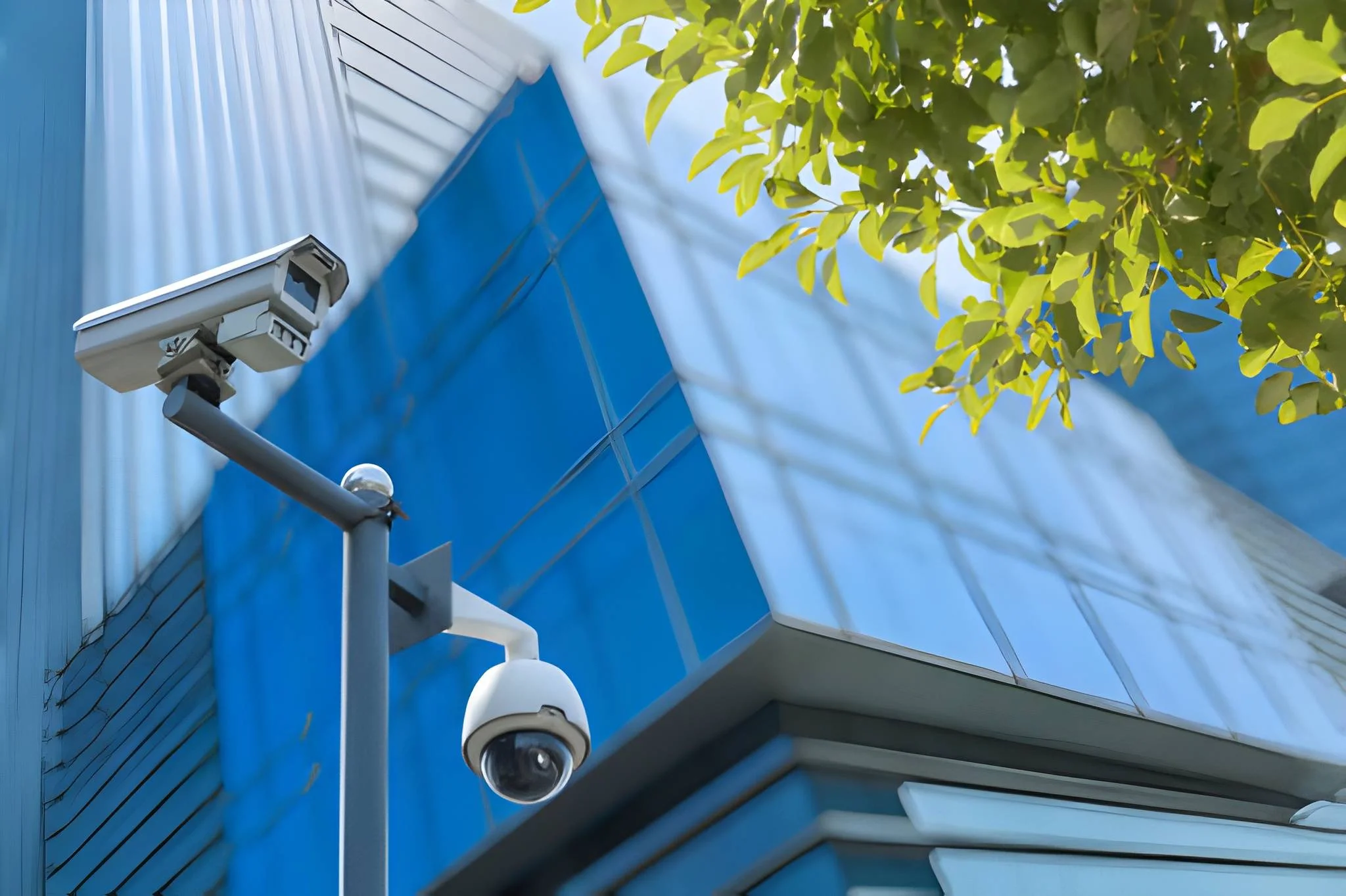
The Art of Invisible Placement: Thinking Like a Director of Security
Choosing the perfect spot for your outdoor hidden camera is less about technology and more about psychology and environmental design. It’s a blend of sight lines, camouflage, and practicality.
1. The Natural World Camouflage
Think of your garden not just as landscaping, but as a security asset. A birdhouse camera is a classic for a reason, it’s innocuous and provides an elevated vantage point. Similarly, consider:
- In Rock or Log Cavities: For homes with natural landscaping in the Pacific Northwest or rustic retreats.
- Within Potted Plants or Hanging Baskets: A small, weathered garden gnome or a faux rock can house a lens perfectly. Brands like Reolink often discuss creative ways to hide security cameras in plain sight using such everyday objects.
- Beneath Eaves or within Gutter Downspouts: These locations protect the camera from the elements while disguising its shape against the lines of your house.
2. The Urban and Architectural Blend
In more urban settings, the camouflage must be different.
- Within Decorative Outdoor Lighting: A motion-activated floodlight with an integrated camera is a powerful dual-purpose tool.
- Behind Louvered Vents or Latticework: This obscures the camera’s body while allowing the lens a clear view.
- Mounted on a Tree, Facing the House: This counter-intuitive spot can cover a wide area, and the camera itself becomes virtually invisible against the bark. Sites like Forbel offer insights into such strategic placement ideas.
3. The Workhorse Locations
Don’t neglect the high-traffic zones.
- Pointing at Driveways and Garages: Package theft and car security are top concerns. A camera hidden in a mailbox (with a modified interior), a weathered-looking bird feeder, or even a fake electrical box on a post can cover this zone.
- Covering Backyard Gates and Pool Areas: For safety, liability, and privacy, these are critical yet sensitive areas where a discreet camera is ideal.
Remember the golden rule: Power and Connectivity. The best hiding spot is worthless if you can’t get power or Wi-Fi to it. Consider battery-powered or solar-charged models for ultimate placement flexibility, a point often emphasized in comprehensive buying guides.
Choosing Your Silent Sentinel: A Buyer’s Checklist
Not all outdoor hidden cameras are created equal. Walking into an electronics store or browsing online can be overwhelming. Focus on these core features:
- Weather Resistance( IP Rating): This is non-negotiable. Look for a minimum of IP65 for full weatherproofing against dust and water spurts. For harsh climates like Minnesota’s winters or Arizona’s summers, aim for IP66 or advanced.
- Night Vision: Most security incidents occur in low light. Ensure your camera has infrared( IR) night vision with a range acceptable for your property. Some advanced models indeed use starlight detectors for color night vision.
- Power Source: Wired( dependable, but installation-heavy), Battery( flexible, needs recharging), or Solar(eco-friendly and low-consumption). Your choice dictates your placement strategy.
- Viewing Angle and Resolution: A wide-angle lens( 110- 140 degrees) covers a wider area. Resolution should be at least 1080p( Full HD) to capture identifiable details like faces or license plates. 2K or 4K is getting the new standard.
- Connectivity and Storage: Wi- Fi range is pivotal for larger parcels. Storage options include original SD cards( no yearly freights) or all subscriptions( secure out- point backup). Weigh the costs and benefits.
- Stir Discovery and Alerts: Smart stir zones and person/ vehicle discovery are game-changers, reducing false alarms from swaying branches and transferring applicable cautions to your phone.
For those seeking tiny form factors, resources like Alfred Camera explore the world of compact, discreet security tech.
The Crucial Ethical and Legal Framework: A Responsible American Homeowner’s Duty
Here’s the most critical chapter. Installing an outdoor hidden camera comes with significant responsibility. In the United States, laws vary by state but are grounded in a reasonable expectation of privacy.
- Public vs. Private Areas: You have broad rights to film areas where there is no expectation of privacy, your front yard, driveway, or the public street from your property line. However, never point a camera, hidden or not, into a neighbour’s bedroom, bathroom window, or fully enclosed backyard where privacy is expected. This is a fast track to legal trouble.
- Audio Recording Laws: These are even stricter. Many states require two-party or all-party consent for audio recording. For simplicity and legal safety, disable the audio recording feature on your outdoor cameras unless you have explicit legal advice confirming it’s permissible in your jurisdiction.
- Disclosure: While not always legally required for outdoor areas visible to the public, it is often considered good practice to have a simple “Video Surveillance in Use” sign posted. It can enhance deterrence and demonstrate that you are acting in good faith.
Understanding how to spot cameras, as discussed in articles like this one on finding hidden cameras, also helps you understand their potential placement and respect others’ privacy.
Implementing Your System: A Step-by-Step Narrative
Let’s follow “Sarah,” a homeowner in historic Charleston, South Carolina. Her narrow home faces the street, and her beautiful walled garden is her sanctuary. She’s experiencing trespassing.
- The inspector: Sarah walks on her property at different times of day. She notes the worn path near her theatre gate( a vulnerability), the gorgeous but thick wisteria vine over her roof(an implicit caching spot), and her ornamental slip-up column near the front door( an ideal anchor).
- The Selection: She chooses two cameras. For the theater gate, a bitsy, wireless outdoor camera disguised as a theater light stake, powered by a solar panel. For the front, she selects a high-resolution, wired doorbell camera that integrates into the slip-up column’s armature, egregious enough to discourage, but discreet enough not to be a hideosity. She consults with attendants on how to hide outdoor cameras for aesthetic integration.
- The Installation: Following manufacturer instructions, she secures the theater camera, icing its stir zone is set to the gate path, not the public sidewalk. The doorbell camera is hardwired into being doorbell wiring for constant power.
- The Integration: both cameras are synced to a single app on her phone. She tests the night vision, adjusts the perceptivity to avoid cautions for passing squirrels, and sets schedules for when she wants active monitoring.
The Peace of Mind: A week later, the stir alert chimes. The theatre camera captures clear, timestamped footage of someone trying to open her gate, sees it’s locked, and moves on. Sarah has the substantiation, her sanctuary remains visually unperturbed, and she feels a new sense of control.
Frequently Asked Questions (FAQ)
[sc_fs_multi_faq headline-0=”h3″ question-0=”Is it legal to hide a security camera outside my house?” answer-0=”Generally, yes, but you can not record areas where people have a reasonable anticipation of sequestration, like a neighbour’s bedroom or enclosed yard.” image-0=”” headline-1=”h3″ question-1=”Do hidden cameras work at night?” answer-1=”Most quality outdoor retired cameras feature infrared( IR) night vision, allowing them to capture clear black- and-white footage in total darkness.” image-1=”” headline-2=”h3″ question-2=”What’s more, wireless or wired cameras?” answer-2=”Wireless offers easier, more flexible placement but requires battery operation. Wired cameras are more dependable for nonstop recording but need professional installation.” image-2=”” headline-3=”h3″ question-3=”Can hidden cameras work without Wi- Fi?” answer-3=”Yes. Some record to original SD cards using cellular data or function as standalone, stir-actuated reporters without live streaming.” image-3=”” headline-4=”h3″ question-4=”How do I power an outdoor retired camera in a remote spot?” answer-4=”long-lasting battery model paired with solar panel dishes is the ideal result for off-grid or delicate- to- line locales.” image-4=”” count=”5″ html=”true” css_class=””]
Conclusion: The Quiet Confidence of Modern Security
Eventually, investing in an outdoor retired camera system is about cultivating quiet confidence. It’s the assurance that your property is watched over by intelligent, silent guardians that admire your home’s beauty while uncompromisingly defending its safety.
From the brownstones of Boston to the strands of San Diego, the principle remains that stylish security is the security that’s felt, not seen. By choosing the right technology, placing it courteously, and operating within ethical bounds, you secure further than just effects; you secure your peace of mind.
Flashback, the thing isn’t to produce a surveillance state on your doorstep, but to extend your mindfulness and cover your slice of the American dream without fanfare. That’s the true power of the ultramodern outdoor retired camera.