

It was a typical Tuesday in July. The sun was relentlessly beating down on your roof, and outside, your home was a perfect, cool oasis. You were blissfully ignorant of the complex symphony of factors working in harmony in your basement and vicinity. What Does HVAC Maintenance Entail? 7 Powerful Steps Told Now, Also, it happened. A strange clunk, a worrisome grind, and a slow, agonizing rise in temperature. Your AC had quit, and you were left sweating, frenetically searching for a repairer who could see you” eventually coming week.”
still, not the comfortable AC kind), you are not alone. If this script sends a shiver down your spine (the bad kind). Most of us only think about our HVAC system when it fails. But what if you could help that mid-summer meltdown or mid-winter snap-eschewal altogether? The secret lies in understanding one pivotal question What does the HVAC conservation number mean?
This is not just about changing a sludge every six months( though that is important!). Proper HVAC conservation is a visionary, detailed process that ensures your heating, ventilation, and air conditioning system runs efficiently, reliably, and safely for years to come. In this comprehensive companion, we’ll pull back the curtain and show you exactly what a professional technician does, why each step matters, and how this simple habit can save you thousands of bones and innumerable headaches.
Beyond the Filter: Defining HVAC Maintenance
At its core, HVAC maintenance entails a series of inspections, cleanings, tests, and adjustments performed on your heating and cooling system. Think of it like taking your car in for an oil change and tire rotation. You’re not waiting for the engine to seize; you’re performing essential upkeep to prevent major problems down the road.
A well-maintained system doesn’t just avoid breakdowns. It:
- Saves You plutocrat: An effective system uses lower energy, directly lowering your yearly mileage bills.
- Extends System Life: Replacing an HVAC system is a major investment. Conservation can add time to its lifetime.
- Improves Comfort: It ensures temperatures and proper moisture control throughout your home.
- Protects Your Health: A clean system means better inner air quality, circulating lower dust, pollen, and allergens.
- Ensures Safety: Technicians check for gas leaks, carbon monoxide pitfalls, and electrical fire hazards.
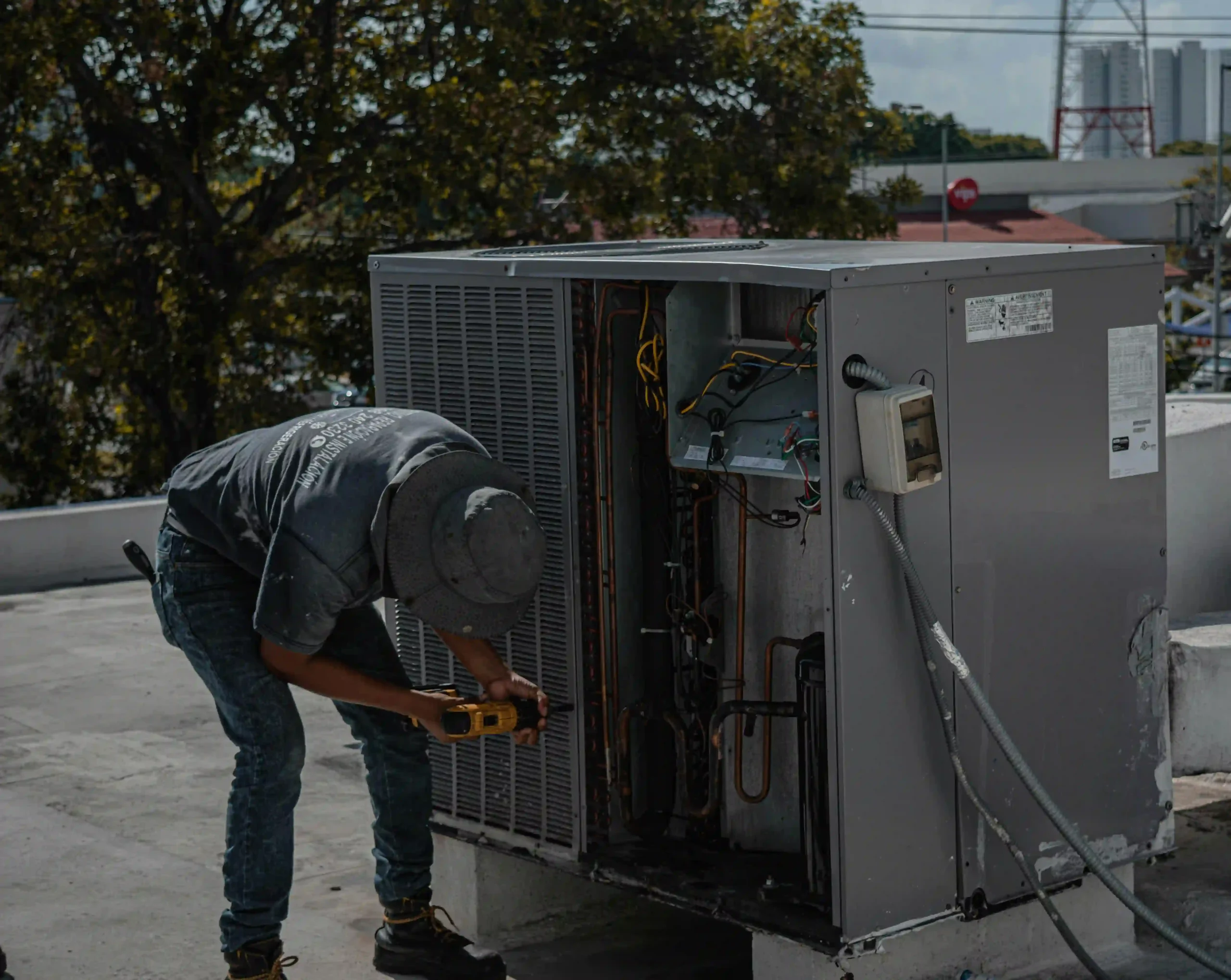
The Anatomy of a Tune-Up: What Does a Professional HVAC Maintenance Visit Entail?
So, let’s get into the nitty-gritty. When a pukka technician arrives at your home for a seasonal tune-up, what does the HVAC conservation process number? While the specifics can vary between heating and cooling systems, the gospel is the same: a thorough,multi-point examination. Let’s break it down by system.
The Spring/Summer AC and Heat Pump Tune-Up
This is all about preparing your system for the brutal heat of a Phoenix summer or the humid blanket of a Florida afternoon.
1. Electrical System and Safety Check
- What they do: The technician will first shut off power to the outdoor unit. They’ll check all electrical connections, strain any that are loose, and measure voltage and current on motors. They check capacitors and contactors, which are like the spark entrapments and relays of your AC system.
- Why it matters: Loose electrical connections can heat, causing element failure and, indeed, presenting a fire threat. Weak capacitors make your compressor and addict motors work harder, leading to unseasonal collapse.
2. Refrigerant Charge and Superheat/ Subcooling Analysis
- What they do: Using technical needles, the tech will measure the system’s refrigerant pressure and calculate its” superheat” and” subcooling.” This tells them if the refrigerant charge is correct.
- Why it matters: Too important or too little refrigerant doesn’t just make your system hamstrung; it can destroy the precious compressor, the heart of your AC. This is a precise wisdom, not a simple” top-off.”
3. Coil and Condenser Cleaning
- What they do: The aluminum fins of the outdoor condenser coil can get congested with dirt, pollen, and lawn parings. The tech will precisely clean these fins with a marketable coil cleanser and a gentle water spray. They will also check the inner evaporator coil for dirt.
- Why it matters: A dirty coil acts like a downtime fleece on your system. It can not expel heat, causing it to run longer, use more energy, and struggle to cool your home.
4. Drain Line Clearing and Treatment
- What they do: As your AC cools, it pulls moisture from the air, which drains down through a condensate drain line. The tech will flush the drain line with water and/ or a vacuum to clear clogs and also pour a special algicide tablet or visage treatment to help unborn earth and algae growth.
- Why it matters: A clogged drain line is one of the most common service calls. It can lead to water damage in your home, ruined ceilings, and shut down your system with a safety switch.
The Fall/Winter Furnace and Heater Tune-Up
This visit is about ensuring safe, reliable heat when you need it most during a Chicago winter or a chilly New England night.
1. Heat Exchanger Inspection
- What they do: The technician will visually check the heat exchanger, frequently with a borescope camera, looking for any signs of cracking or erosion.
- Why it matters: This is the single most important safety check. A cracked heat exchanger can allow deadly carbon monoxide gas to blunder into your home’s air force.
2. Burner and Ignition System Cleaning
- What they do: The burners and honey detector are gutted to ensure a smooth, effective ignition and a clean, blue honey. A lazy, unheroic honey indicates a problem.
- Why it matters: Dirty burners beget deficient combustion, wasting energy and producing soot and carbon monoxide. A dirty honey detector will cause the furnace to shut off intermittently.
3. Gas Pressure and Combustion Analysis
- What they do: Using a combustion analyzer, the tech measures the energy pressure and the stovepipe emissions to ensure the furnace is burning energy at its peak effectiveness.
- Why it matters: Proper combustion is crucial to both safety and effectiveness. An inaptly tuned furnace can be a silent plutocrat drain and a health hazard.
4. Blower Motor and Component Lubrication
- What they do: The tech will clean the cracker assembly, check the cracker motor’s amperage, and slick any necessary moving corridor( if the motor is not permanently sealed).
- Why it matters: A clean, well-waxed cracker motor moves air more efficiently with lower strain, saving energy and precluding overheating.
The Common Thread: Tasks for Every System
No matter the season or system, a comprehensive HVAC maintenance plan will entail several universal tasks:
- Air Filter relief: The simplest yet most neglected task. A clean sludge protects your entire system from dust and debris.
- Thermostat Estimation: Ensure your thermostat is reading the temperature correctly and communicating properly with the system.
- Ductwork Inspection: A quick visual check for egregious leaks or dispositions in your ductwork, which can waste 30 of your conditioned air.
- Belts and Pulleys: Checking for wear and tear and gashes, and proper pressure on any belt-driven systems.
- System Performance Report: A good technician will give a report on the system’s health, effectiveness, and any minor issues they noticed that should be covered.
The DIY vs. Professional Divide
You might be wondering, “What does basic HVAC maintenance entail that I can do myself?” Great question! Here’s the split:
What You Can (and Should) Do:
- Change your air sludge every 1- 3 months.
- Keep the area around your outdoor unit clear of foliage and debris.
- Make sure your inner reflections are open and unblocked by cabinetwork.
- Gently vacuum dust from around your furnace and inner air filter.
What to Leave to the Pros:
Everything else. Tinkering with electrical components, refrigerant, or gas lines is dangerous and, in many states, illegal without a license. Furthermore, a professional has the tools and training to diagnose potential problems, not just clean them.
They can spot a capacitor that’s about to fail or a heat exchanger with the beginnings of a crack. This predictive ability is where the real value lies.
The Real Cost of Skipping Maintenance
Let’s talk numbers. A typical seasonal tune-up might cost between $100 and $200. Now, consider the cost of a few common repairs that neglect can cause:
- Replacing a Compressor: $1,500 – $2,500 (Often a death sentence for an older unit)
- Cleaning up water damage from a clogged drain: $500 – $5,000+
- Replacing a blower motor: $500 – $1,500
- Full System Replacement: $5,000 – $12,000+
When you look at it this way, maintenance is the most inexpensive insurance policy you can buy for your comfort and your wallet.
Frequently Asked Questions
[sc_fs_multi_faq headline-0=”h3″ question-0=”How frequently should I record HVAC conservation?” answer-0=”doubly a year; in the spring for AC and fall for your heating system.” image-0=”” headline-1=”h3″ question-1=”What’s the difference between conservation and a form?” answer-1=”Conservation is precautionary care to avoid problems, while repair is fixing a system that has broken down.” image-1=”” headline-2=”h3″ question-2=”Can I perform my own HVAC conservation?” answer-2=”You can change pollutants and keep areas clear, but internal electrical and refrigerant work requires a licensed professional for safety.” image-2=”” headline-3=”h3″ question-3=”What are the signs my HVAC system needs conservation?” answer-3=”Strange noises, rising energy bills, uneven temperatures, and poor tailwind are all crucial pointers.” image-3=”” headline-4=”h3″ question-4=”How long does a typical conservation visit take?” answer-4=”A thorough examination and drawing generally takes between 60 to 90 twinkles to complete properl” image-4=”” headline-5=”h3″ question-5=”Does conservation ameliorate indoor air quality?” answer-5=”Yes, a clean system with a new sludge drastically reduces dust, pollen, and other allergens in your air.” image-5=”” headline-6=”h3″ question-6=”Is an HVAC conservation plan worth the cost?” answer-6=”Absolutely, the savings on energy bills and avoided repairs far outweigh the periodic cost of a plan.” image-6=”” headline-7=”h3″ question-7=”What is the HVAC conservation number for a heat pump?” answer-7=”Since it works time-round, it needs a comprehensive check of both its heating and cooling functions twice a year.” image-7=”” headline-8=”h3″ question-8=”Will conservation make my system last longer?” answer-8=”Yes, regular professional conservation can extend your system’s lifetime several times.” image-8=”” headline-9=”h3″ question-9=”What happens if I now way service my HVAC system?” answer-9=”It’ll run less efficiently, break down more frequently, and likely bear an unseasonable, expensive relief.” image-9=”” count=”10″ html=”true” css_class=””]
Conclusion: Your Prescription for Peace of Mind
Understanding what HVAC conservation entails is the first step toward becoming a visionary homeowner. It’s not a mysterious, specialized black hole; it’s a logical, methodical process of care and examination. By investing in this simple, bi-annual habit, you’re not just paying for a service, you’re investing in continued comfort, long-term savings, and the peace of mind that comes from knowing your home’s climate is in expert hands.
Do not stay for the coming breakdown to come an expert on your system. Find an estimable, original HVAC contractor, schedule your coming tune-up, and rest easy knowing you’ve defended your comfort and your investment.