

I’ll noway forget the look on my neighbor, Hank’s, face. Hank is the definitive American DIYer, the kind who builds his own sundeck, changes his own oil painting, and has a garage more systematized than a surgical theater. Affordable 3 DIY Solar Kits, Power Your Home with Love, He’d been watching the solar installers’ exchanges come and go on our road for months, always with a skeptical grunt. Also, one Saturday, I saw him on his roof, not with shingles, but with a set of glistering panels. A week later, he proudly showed me his basement setup: a bank of batteries, an inverter, and an examiner showing the watts flowing in.” Took care of it myself,” he said with a grin.” Those diy solar accoutrements are not so complicated after all.”
Hank’s story isn’t unique. Across the USA, from the sun-drenched roofs of Arizona to the audacious cabins in the forestland of Maine, a quiet revolution is passing. Americans are taking their energy independence into their own hands. This comprehensive companion is your roadmap to joining them. We’ll clarify the process, explore the stylish diy solar accoutrements for your requirements, and help you decide if this empowering design is right for you.
What Exactly is a DIY Solar Kit?
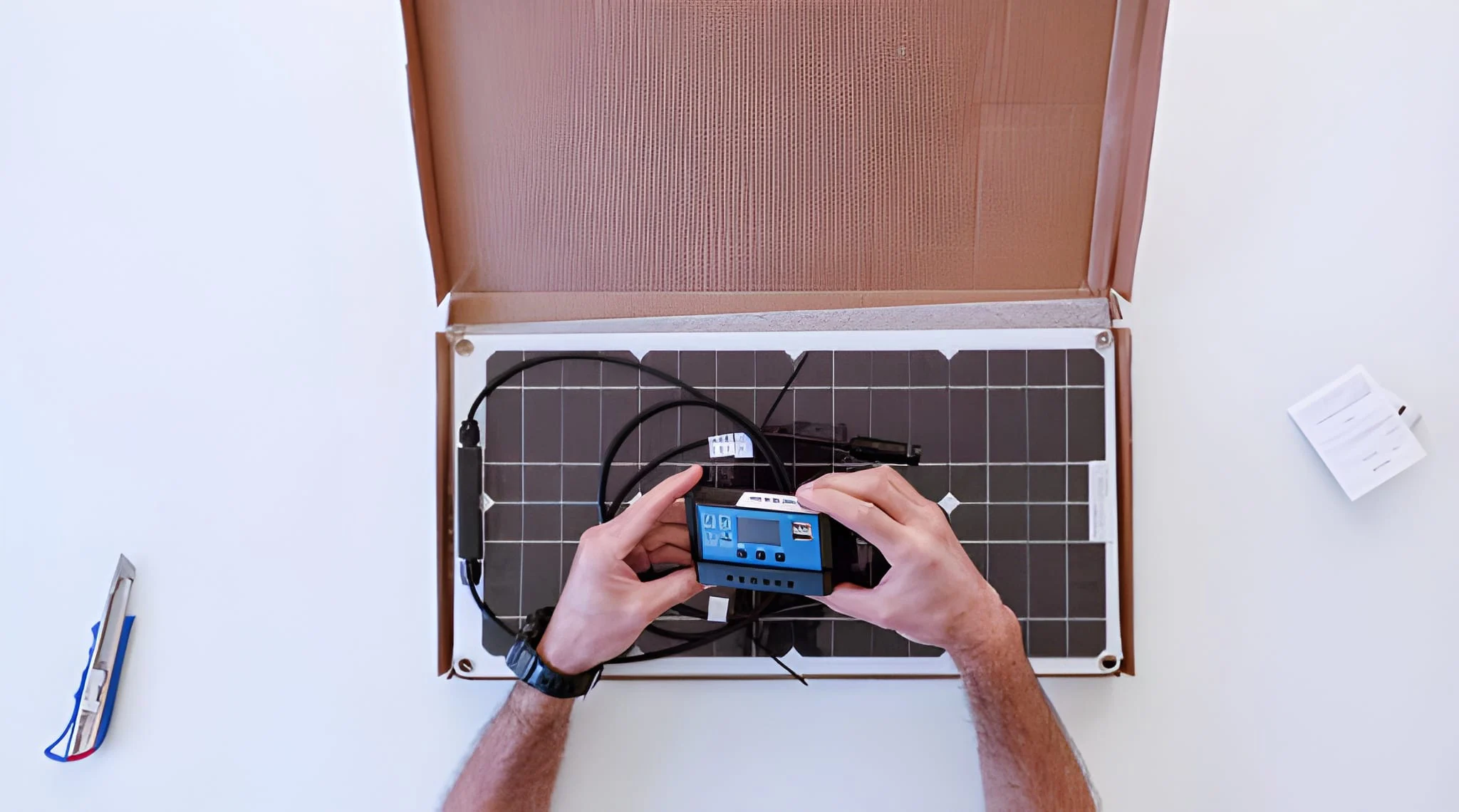
Let’s launch with the basics. A DIY solar tackle is a packaged system that contains all the essential factors you need to capture the sun and convert it into usable electricity for your home, caravan, cabin, or exigency preparedness. Suppose it as a giant, hyperactive-effective Lego set for power.
The core idea is that these accoutrements are designed with the DIYer in mind. They come with pre-matched factors, detailed instructions, and frequent access to specialized support. This is different from sourcing each piece collectively, which can be a complex mystification of comity. Whether you are looking to shave many bones off your mileage bill in Texas or ensure your camping trip in Colorado is powered by the sun, there is a diy solar tackle designed for the task.
The Core Components of Any DIY Solar Kit
To understand what you’re buying, you need to know the players on the team. Every kit, from a small backpack-sized unit to a whole-home system, is built around a few key components.
- Solar Panels: The celebrity of the show. These are the glass and silicon panels that actually collect the sun. Their effectiveness and number determine how much raw power you can gather.
- Charge Controller: The wise director. It regulates the power flowing from the panels to the batteries, precluding overcharging and damage. For ultramodern accoutrements, a Maximum Power Point Tracking( MPPT) regulator is the gold standard.
- Battery Bank: The savings regarding. Batteries( generally lithium iron phosphate, or LiFePO4, for ultramodern accoutrements ) store the energy generated by your panels so you can use it when the sun is not shining.
- Power Inverter: The translator: The batteries store power as Direct Current( DC). Your home appliances use Alternating Current( AC). The inverter converts DC to AC, so you can run your television, refrigerator, and coffee maker.
Racking and Cabling: The shell and circulatory system. This includes all the mounts, rails, cables, and connectors that hold everything together and make the power inflow.
Is a DIY Solar Kit Right for You? The American DIY Spirit vs. Reality
This is the million-dollar question. The allure of diy solar kits is powerful: significant cost savings and the immense satisfaction of self-reliance. But it’s not for everyone. Let’s break down the pros and cons with a dose of reality.
The Empowering Pros of Going the DIY Route
- Substantial Cost Savings: This is the big bone. By barring labor costs, which can range from 10- 25 of a professional installation, you save thousands. As stressed by Enphase, the fiscal benefit is a primary motivator for homeowners considering this path.
- True Energy Independence: There’s a unique pride in powering your life with a system you erected yourself. It’s the ultramodern fellow of mincing your own wood for downtime.
- Deep System Knowledge: When you install it, you understand it. However, you’re not scrabbling for a phone number; you’re troubleshooting a system you know privately, If something goes wrong. coffers like Renogy’s ultimate companion are inestimable for erecting this knowledge base.
- Inflexibility and Scalability: You can start small, maybe with a tackle from a provider like A1 Solar Store for a chalet or factory, and expand the system over time as your requirements or budget grow.
The Sobering Cons and Real Challenges
- The Sweat Equity is Real: This is a significant physical and internal design. It involves lifting heavy factors, frequently working on a roof, and scrupulous electrical work. It’s not a casual weekend design for the uninitiated.
- Safety is Paramount: You’re working with high-voltage DC electricity and AC electricity. A mistake can lead to fire, serious injury, or worse. A healthy respect for electrical safety is non-negotiable.
- The Permitting mystification: This is where numerous DIYers get tripped up. The utmost cosmopolitan in the USA bears permits for endless solar installations. This involves submitting complex electrical and structural plans for blessing. Navigating this bureaucracy can be dispiriting.
- abstaining Some: impulses Some civil or state duty credits and original rebates may bear a system to be installed by a pukka professional. Always check the fine print before you buy.
The Roof Question: Is your roof in good condition? Is it the right type? Is it shadowed? Installing on an old or compromised roof is a bad investment.
Choosing Your Champion: A Breakdown of DIY Solar Kit Types
Not all diy solar kits are created equal. Your choice depends entirely on your goal. Let’s explore the three main categories.
Off-Grid Solar Kits: For Ultimate Freedom
Best for: Cabins, barns, RVs, vans, boating, and backup power.
These systems are completely independent of the utility grid. They are the purest form of energy independence. You generate, store, and use your own power.
- Key Consideration: Sizing is critical. You must carefully calculate your energy needs to ensure you have enough power generation and storage, especially through cloudy periods or long nights. The guides from Shopsolarkits.com and Solarmpio are excellent resources for understanding off-grid sizing and components.
Grid-Tied Solar Kits: For Cutting the Utility Bill
Stylish for Homeowners looking to reduce their yearly electricity bill and their carbon footprint.
These systems connect to your home’s electrical panel and the public mileage grid. When your panels produce more power than you use, the excess is transferred to the grid, frequently earning you credits from the electricity company( net metering). When you need further power than your panels are producing( at night), you draw from the grid.
- Key Consideration: This is the most permit-intensive and complex DIY option. It involves working with your main electrical service panel and requires a professional-grade interconnection agreement with your utility. The installation guide from GoGreenSolar provides a realistic look at what this entails.
Portable and Emergency Solar Kits: For Power on the Go
Stylish for Camping, seeing, powering tools on a job site, and as a dependable backup for home emergencies.
These are the gateway diy solar accoutrements. They’re generally each-by-one units or small, briefcase-style panels that are simple to set up. Their thing is to power small appliances, charge a battery, or run a fridge during a knockout.
- crucial Consideration: The” DIY” then’s minimum, generally just plugging in the panels to a power station. Brands like EcoFlow and GoSun specialize in these user-friendly, largely portable systems, perfect for the modern adventurer or set family.
The DIY Solar Installation Process: A Step-by-Step Overview
Embarking on a DIY solar project is a major undertaking. Here’s a high-level roadmap of what you can expect.
- Step 1: Energy Audit and System Sizing
Before you buy anything, you need to know what you need. List every appliance you want to power and for how long. Add up their watt-hours. This total is your daily energy consumption, and it will dictate the size of the diy solar kit you require. - Step 2: Site Assessment and Kit Selection
Where will the panels go? For roofs, what’s the angle and direction? Is there shade? Use a tool like Google’s Project Sunroof for a rough idea. Then, based on your energy audit, select a kit from a reputable supplier. - Step 3: The Permitting Gauntlet
Contact your local building department. Understand exactly what they require, typically a site plan, an electrical diagram, and structural engineering. This is the most bureaucratic step, but it’s crucial for safety and legality. - Step 4: Installation Day(s)
- Mount securely: install the racks on your roof or ground mount.
- Panels: Attach the solar panels to the racks.
- Running: Conduit and Wiring Safely run cables from the panels to your outfit position.
- Electrical Work: Connect the charge regulator, batteries, and inverter. This is the most dangerous part.
- Grid-Tied Interconnection: If applicable, a certified electrician should perform the final connection to your main panel.
Step 5: Inspection and Power-Up
Once your local inspector gives the green light, you can flip the switch and bask in the glory of your own homemade power.
Frequently Asked Questions About DIY Solar Kits
[sc_fs_multi_faq headline-0=”h3″ question-0=”Are DIY solar accoutrements worth it?” answer-0=”Yes, for professed DIYers, they offer significant savings and energy independence, but bear substantial time, trouble, and discomfort with electrical work.” image-0=”” headline-1=”h3″ question-1=”Can I install solar panels myself to save money?” answer-1=”Absolutely, barring labor costs is the primary fiscal benefit, but you must factor in permit freights and implicit tool settlements.” image-1=”” headline-2=”h3″ question-2=” How many solar panels does it take to run a house?” answer-2=”A typical US home needs 20- 30 panels, but this varies drastically depending on energy operation, position, and panel effectiveness.” image-2=”” headline-3=”h3″ question-3=”What’s the 120 rule for solar?” answer-3=”An electrical law rule limiting the current from solar and the main switch to 120 of your panel’s busbar standing for safety.” image-3=”” count=”4″ html=”true” css_class=””]
Final Thoughts: Powering Your Future, On Your Terms
Investing in a diy solar tackle is about further than just technology or saving money. It’s a statement of tone- reliance, a commitment to a cleaner terrain, and a profoundly satisfying achievement. It’s the story of my neighbor Hank, and it can be your story too.
Launch by educating yourself. Devour the coffers from the experts we’ve linked throughout this companion. Be severely honest about your chops, your time, and your budget. However, you’ll be joining a growing community of Americans who are literally taking power back into their own hands, one beam at a time, if you decide to vault.